Import Alert Guide
Import Alert 23-14 — Food Products, Mycotoxins
A plain-language guide to FDA Import Alert 23-14, which allows detention without physical examination of food products due to the presence of mycotoxins — including aflatoxins, DON, fumonisins, and ochratoxin A. What it covers, the charge it carries, and what per-shipment testing evidence typically involves.
The Short Version
What Is Import Alert 23-14?
Import Alert 23-14 permits FDA to detain, without physical examination, food products from Red List firms due to the presence of mycotoxins. Mycotoxins are toxic compounds produced by molds that infect food crops. When a food contains a mycotoxin at levels FDA treats as actionable — under its compliance policy guides and action or advisory levels — the product may be considered adulterated and refused. Once a firm and product are listed, covered shipments are presumed violative on arrival.
- Alert Number
- 23-14
- Products Covered
- Food products from Red List firms — commonly peanuts, tree nuts, corn, small grains, dried fruit, and spices
- Mycotoxins
- Aflatoxins (B1, B2, G1, G2), deoxynivalenol (DON / vomitoxin), fumonisins, ochratoxin A (OTA)
- Charge
- Adulteration — poisonous and deleterious substance (Section 402(a)(1); refused under 801(a)(3))
- Mechanism
- Detention Without Physical Examination (DWPE), firm/product Red List
- Official Text
- FDA Import Alert 23-14
The Background
Why Food Products Get Detained Under 23-14
Mycotoxins are toxic metabolites produced by molds that infect crops during production and storage, and their occurrence in food is not entirely avoidable. FDA focuses on several in particular: aflatoxins (produced by Aspergillus species and found in commodities like peanuts, corn, tree nuts, and small grains), deoxynivalenol or DON (a Fusarium mold toxin common in wheat and other grains), fumonisins (also from Fusarium, common in corn), and ochratoxin A.
Whether a level is "actionable" is judged against FDA's compliance policy guides and guidance — for example, CPG Sec. 555.400 for aflatoxin in foods generally, and commodity-specific guides for Brazil nuts, peanuts, and pistachios, plus advisory levels for DON and fumonisins. Because aflatoxins are recognized human and animal carcinogens, this alert is applied seriously, and regulatory packages are evaluated case by case.
When analysis shows a firm's product at actionable levels, FDA can add the firm and product to the Red List, after which covered shipments are automatically detained.
The Evidence
What Per-Shipment Testing Typically Involves
To secure release of an individual detained shipment, the responsible party generally provides evidence that the specific product does not contain the mycotoxin at issue above actionable levels — commonly private laboratory analysis of a representative sample under documented custody.
-
Representative Sampling
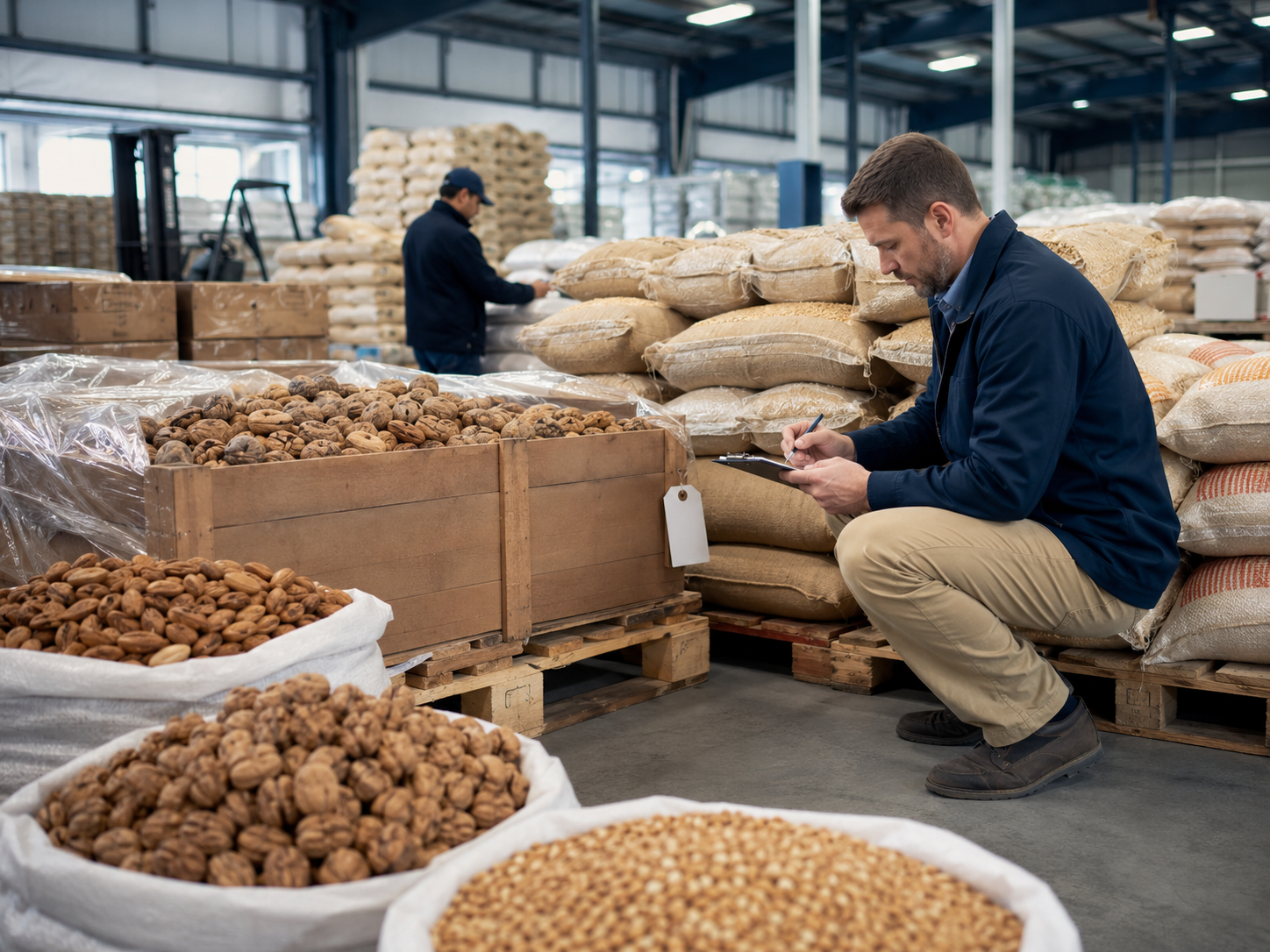
Mycotoxin contamination is notoriously uneven within a lot, so representative sampling matters enormously. Samples are collected under a documented plan and chain of custody, sized to the commodity and the analytical method.
-
LAAF-Accredited Analysis
An independent laboratory quantifies the mycotoxin at issue and evaluates results against FDA's applicable action or advisory levels. FDA's guidance for this alert directs use of a LAAF-accredited laboratory for testing to support release of detained food; laboratory fit is confirmed during matching.
-
Your Team Submits
Results and custody records are organized into a case file; you and your authorized parties submit to the FDA compliance office named on the notice. FDA may collect audit samples before deciding, and makes the final admissibility decision.
Sampling design is decisive here. Because mycotoxins concentrate in "hot spots" rather than spreading evenly, an unrepresentative sample can either miss contamination or overstate it. A defensible, well-designed sampling plan is often the difference-maker. See our sample collection and chain of custody guide.
Be Realistic
What This Alert Means in Practice
Honest limitations
- Contamination is uneven. Mycotoxin levels vary widely within a single lot; a shipment can pass or fail depending on where and how it was sampled, which is exactly why sampling design is treated so carefully.
- Actionable levels, not zero. Unlike a pathogen with a zero-tolerance standard, mycotoxins are judged against action and advisory levels — the analysis has to show the product is below the applicable threshold for that commodity.
- Release is not removal. Winning release of one shipment does not take the firm off the Red List — future shipments are still detained until removal succeeds.
- Removal needs resolved root cause. Removal requires a petition to FDA's Division of Import Operations with evidence the conditions causing the violation were resolved; testing supports it but does not by itself accomplish it.
Related
Related Alerts & Guides
Food Products — Salmonella
The broad food pathogen alert — Salmonella rather than mold-derived toxins.
Read the guide IA 99-05Raw Agricultural Products — Pesticides
Another agricultural-commodity alert — pesticide residues rather than mycotoxins.
Read the guide IndustryNuts, Grains & Dried Foods
Category overview: common detention reasons for nuts, grains, and dried commodities and the testing they require.
View industriesNuts or Grain Detained Under 23-14?
Bring Us the Notice — Sampling Design Matters Here
Send your FDA Notice of Action, the mycotoxin and commodity, and lot details. You'll get an honest, case-specific read on the sampling plan and testing — where a defensible, representative approach makes the biggest difference — before any commitment.
Urgent detention matters receive priority intake review.
FDA Detention Sampling is an independent private company. We are not affiliated with, endorsed by, or part of the U.S. Food and Drug Administration. This guide is a plain-language summary of Import Alert 23-14; the official alert text published by FDA is authoritative and controls. Sampling, laboratory testing, documentation, and coordination services do not guarantee FDA release, admissibility, acceptance of laboratory results, removal from any import alert, or any specific regulatory outcome. FDA makes the final admissibility decision.