FDA Detention Sampling Services for Imported Shipments
FDA Detention Sampling helps importers, manufacturers, customs brokers, warehouses, and regulatory professionals coordinate product sampling, chain of custody, independent laboratory testing, shipping, and documentation for shipments detained by FDA.
Independent private company. Not affiliated with the U.S. Food and Drug Administration.
Service Overview
What Do FDA Detention Sampling Services Include?
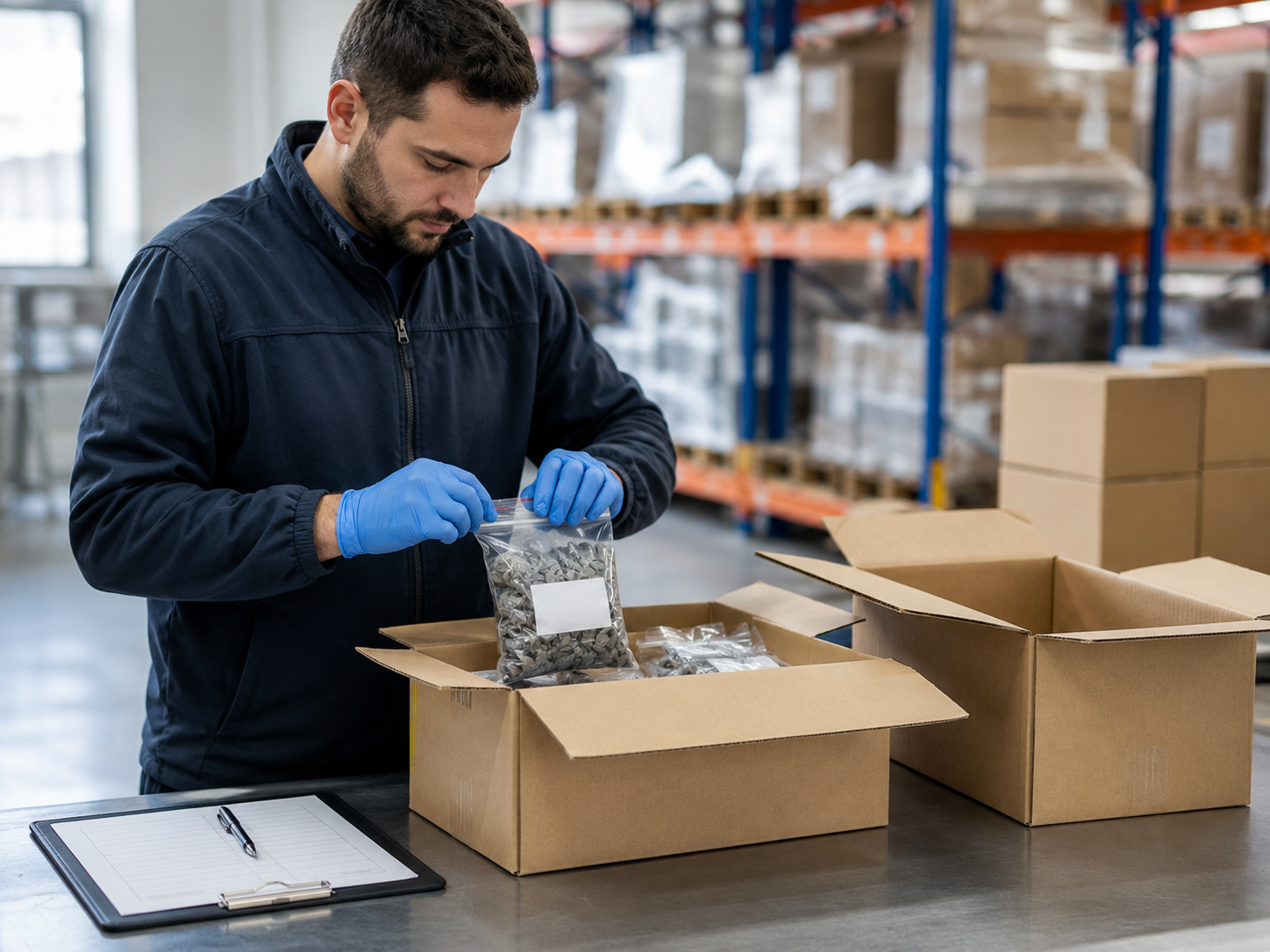
FDA detention sampling services cover the practical work between an FDA detention notice and a usable laboratory report: reviewing the available detention information, coordinating access to the shipment, arranging representative sample collection, documenting sample identity and chain of custody, packaging and transporting samples, coordinating independent laboratory analysis, and organizing the reports and supporting records for the authorized parties handling the response.
When May Detention Sampling and Testing Be Needed?
Sampling and laboratory coordination is most often requested in situations like these:
A shipment has been detained by FDA
FDA has requested additional evidence
A product or manufacturer appears on an import alert
The importer needs private laboratory analysis
Product identity or composition is questioned
A microbiological concern has been identified
A chemical contaminant concern has been identified
Labeling or ingredient information requires supporting analysis
Product condition is in question
A regulatory consultant or attorney recommends sampling
A warehouse requires formal sampling instructions
Chain-of-custody documentation is necessary
Not every FDA detention requires private testing. The need for sampling or testing should be determined based on the detention notice, applicable procedures, professional advice, and case-specific facts.
Full Service Scope
Our FDA Detention Sampling Services
Every case is assembled from the services below based on the product, the detention reason, and the shipment's circumstances. Nothing is applied as a template.
FDA Detention Case Intake and Document Review
Each case starts with a review of the available shipment and detention information to understand the practical sampling and testing needs. This is a logistical review, not legal advice or an FDA decision.
Documents reviewed may include
FDA Notice of Action and entry documents
Commercial invoice and packing list
Product labels and manufacturer information
Warehouse and import alert information
Laboratory or regulatory instructions
Shipment Location and Warehouse Coordination
Detained cargo is often held at a facility that must authorize any sampling. We coordinate with warehouses, cold-storage facilities, bonded facilities, container freight stations, distribution centers, and third-party logistics providers, alongside the importer, broker, and freight forwarder.
Access depends on
Facility authorization and procedures
Shipment availability
Safety requirements and local conditions
Representative Sample Collection Support
A laboratory result is only as good as the sample behind it. We help plan collection so samples fairly represent the detained lot — there is no universal sampling plan, and the right approach varies case by case.
Planning considers
Product type, lot identification, and unit count
Sample quantity and packaging format
Shipment configuration and sampling location
Required testing method and temperature conditions
Sample integrity throughout
Sampler Coordination
Qualified or appropriate sampling resources may be coordinated when available for the shipment's location and product. Samplers are engaged for the case rather than employed in every market.
Coordination depends on
Location, product, and facility rules
Case instructions and sampling protocol
Availability, safety, and required qualifications
Chain-of-Custody Documentation
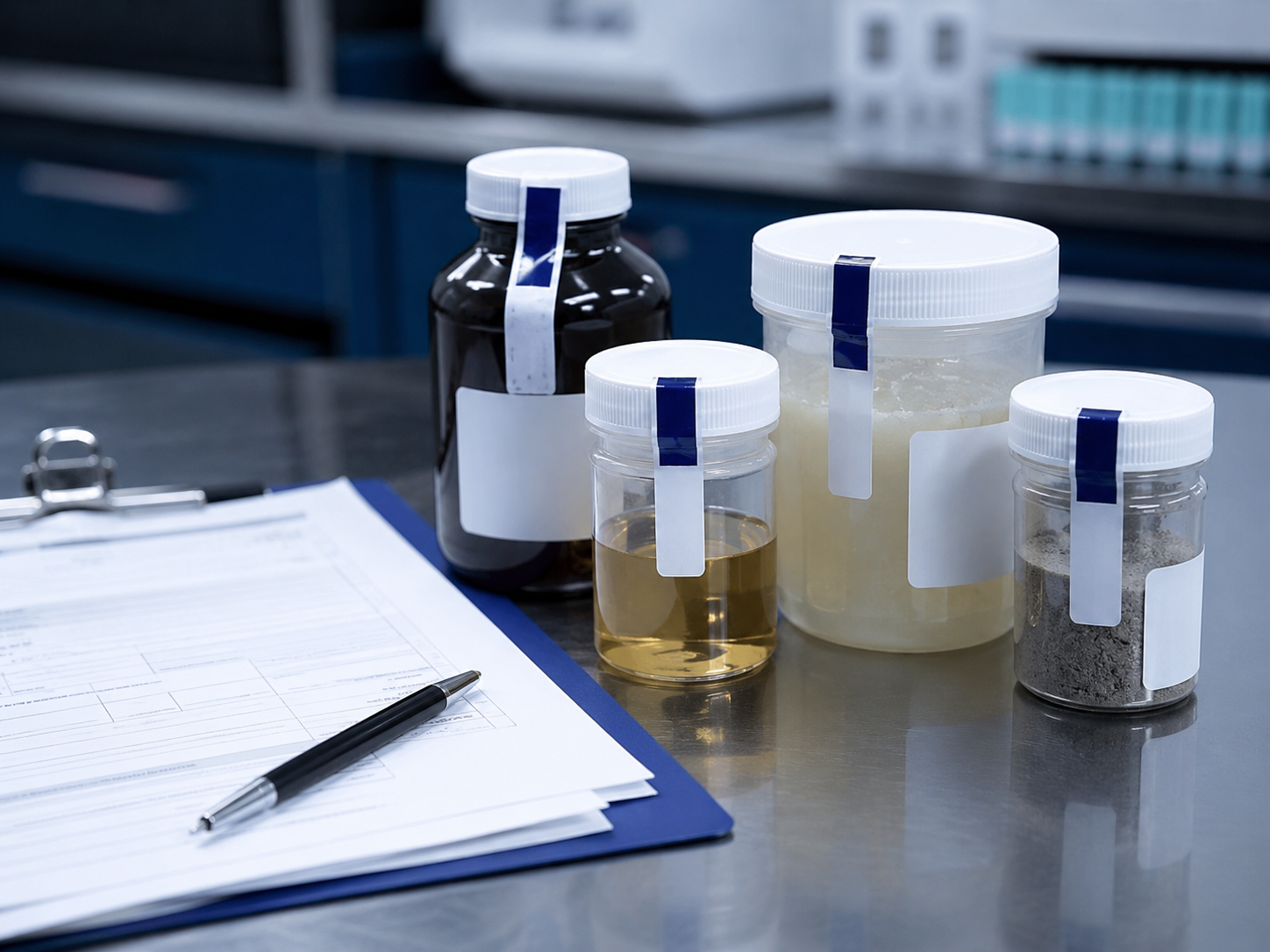
Chain-of-custody records connect the tested sample to the detained shipment without gaps, documenting identity, handling, and every transfer along the way.
Packaging is planned around the product, the laboratory method, and the transport conditions — requirements vary and are confirmed per case.
Considerations may include
Leak-resistant packaging and tamper evidence
Secondary containment and damage protection
Refrigerated, frozen, or light-protected handling
Hazard or product-specific requirements
Courier restrictions
Sample Shipping and Courier Coordination
Once collected and packaged, samples move to the laboratory under coordinated logistics. Courier timing is coordinated but not guaranteed, since carriers control their own networks.
Coordination may cover
Pickup, courier selection, and tracking
Delivery timing and temperature control
Weekend, holiday, and laboratory receiving hours
Shipping documents and receipt confirmation
Independent Laboratory Testing Coordination
Testing is coordinated with an appropriate independent laboratory matched to the case — never a government facility, and never presented as one.
Microbiological analysis is frequently requested for food, seafood, spices, and supplements detained for contamination concerns. Available methods depend on the product and the laboratory.
Examples may include
Salmonella and Listeria
E. coli
Yeast and mold
Total plate count
Other pathogen or indicator testing
Chemical and Contaminant Testing Coordination
Chemical analysis addresses detentions involving residues, additives, and contaminants across food, supplement, cosmetic, and drug categories.
Examples may include
Heavy metals and pesticide residues
Mycotoxins
Preservative levels and color additives
Chemical contaminants and residues
Product-specific analytes
Identity, Purity, and Composition Testing Coordination
When FDA questions what a product actually is or contains, identity and composition analysis may support the response.
Examples may include
Ingredient identity and verification
Purity and potency
Product authenticity
Nutritional composition
Allergen analysis
Product Condition and Physical Testing Coordination
Physical parameters can matter as much as contamination results, particularly for perishable, canned, and packaged products.
Examples may include
pH, water activity, and moisture
Packaging integrity
Temperature-related concerns
Visible product condition
Physical characteristics
Import Alert Sampling and Testing Support
Products, manufacturers, or shipments connected with FDA import alerts or detention without physical examination (DWPE) may require coordinated sampling and testing. Import alert matters often require a broader regulatory strategy — testing alone may not be sufficient.
Photographic documentation can support the record when facility permissions and case requirements allow it.
Documentation may include
Shipment, product, and label photographs
Lot-code and packaging-condition photos
Sample seals and the collection process
Courier transfer and laboratory receipt
Laboratory Report and Document Organization
Available laboratory reports and supporting records are organized for the importer, broker, regulatory consultant, attorney, or other authorized party handling the response. Documents are not automatically submitted to FDA — use and submission remain decisions for the authorized parties.
Communication and Case Coordination
A detention case can involve ten parties working from different information. We keep the logistics and information moving among the importer, manufacturer, broker, warehouse, freight forwarder, sampler, courier, laboratory, and the consultants or attorneys involved — coordinating logistics and information, not acting as legal counsel or a government representative.
Case-Specific Planning
Every one of the services above is scoped to the individual case. Before work begins, the proposed coordination scope is reviewed with you so expectations, third-party involvement, and limitations are clear from the start.
What May Be Included in a Sampling Coordination Case?
The items below are potentially included in a coordination case. Whether each applies to your shipment depends on the factors listed — no case automatically includes everything.
Potential service items and the factors they depend on
Service Item
Potentially Included
Depends On
Initial document intake
Yes
Case scope and documents provided
Shipment location confirmation
Yes
Shipment location and available information
Warehouse communication
Yes
Facility authorization and responsiveness
Sampling-resource coordination
Yes
Location, product type, and third-party availability
Sample collection documentation
Yes
Facility permissions and case requirements
Chain-of-custody records
Yes
Case scope and laboratory method
Sample packaging
Yes
Product type and laboratory method
Courier coordination
Yes
Courier requirements and receiving hours
Temperature-controlled shipping
Yes
Product type and courier capability
Laboratory selection support
Yes
Laboratory method and capability
Laboratory quote coordination
Yes
Requested services and laboratory response
Testing coordination
Yes
Sample quantity and laboratory method
Sample photographs
Yes
Facility authorization and case requirements
Laboratory report organization
Yes
Case scope and available reports
Communication with authorized parties
Yes
Requested services and case scope
Not all items are included in every case. The applicable scope is confirmed during intake based on the shipment, the facility, the product, and the requested services.
Transparency
What These Services Do Not Guarantee
We would rather be clear now than surprise you later. Sampling and testing coordination is logistics and documentation work — it does not control regulatory decisions, third-party conduct, or laboratory outcomes.
These services do not guarantee:
FDA release of the shipment
FDA admissibility
FDA acceptance of a laboratory report
Removal from an import alert
A successful petition or appeal
A specific laboratory result
A specific sampling date
Warehouse access
Customs release
Prevention of storage charges
Prevention of demurrage
Any specific regulatory outcome
Depending on the case, separate services may also be required from attorneys, customs brokers, regulatory consultants, laboratories, warehouses, couriers, samplers, freight providers, process authorities, or other specialists. Those services are provided by those parties, on their own terms.
Getting Started
How to Start an FDA Detention Sampling Request
Five steps take a case from first contact to a confirmed coordination scope.
Send the FDA Notice of Action
The notice identifies the detention reason, the entry, and the response window — it anchors everything that follows.
Provide Entry, Product, and Shipment Information
Entry documents, product details, labels, and quantities let the practical needs be assessed accurately.
Confirm the Shipment and Warehouse Location
The facility holding the cargo and its contact determine how access and sampling can be coordinated.
Identify the Requested Sampling or Testing Needs
Known testing requirements, laboratory instructions, or professional recommendations shape the plan.
Review the Proposed Coordination Scope
You receive the proposed scope — what is included, what depends on third parties, and what is not covered — before work begins.
Third-Party Sampling, Laboratory, Warehouse, and Courier Costs
Sampling and testing cases usually involve independent third parties — facilities, samplers, laboratories, and couriers — each with their own charges. These are separate from coordination services and are billed by, or passed through from, the parties that perform the work.
Whenever possible, the scope and applicable third-party charges are reviewed with you before work begins, so costs are understood rather than discovered.
Third-party charges may include
Sampler fees
Travel expenses
Warehouse access or handling fees
Sample-pull fees
Laboratory fees
Courier fees
Refrigerated or frozen shipping
Packaging materials
Weekend or rush charges
Storage charges
Freight-related charges
The Value of Organization
Why Organized Sampling Coordination Matters
A detention response can fall apart on small failures: a sample pulled from the wrong lot, an undocumented transfer, a laboratory that never received handling instructions, or a warehouse waiting on paperwork nobody sent. Organized coordination exists to prevent exactly those failures.
Clear instructions to every party
Correct product identification
Representative sampling
Documented transfers
Sample integrity protected
Laboratory receiving coordinated
Communication among parties
Accurate shipment information
Unnecessary delays avoided
Organized, retrievable records
Who We Work With
Who Uses FDA Detention Sampling Services?
Different parties come to a detention with different responsibilities. Coordination serves each of them without acting as anyone's legal representative.
U.S. Importers
The party responsible for the entry, usually driving the response and the decision to test.
Foreign Manufacturers
Producers whose product or facility is named on the notice or an import alert.
Customs Brokers
Brokers managing the entry who need sampling logistics handled without losing the timeline.
Warehouses
Facilities holding detained cargo that need clear, formal sampling instructions.
Freight Forwarders
Forwarders tracking cargo status and coordinating movement around the detention.
FSVP Importers
Foreign Supplier Verification Program importers supporting verification with analysis.
Regulatory Consultants
Consultants building the response who need reliable sampling and testing execution.
Attorneys
Counsel handling the regulatory matter who need documented, traceable evidence.
Distributors
Distributors with inventory committed to customers waiting on the detained entry.
Amazon Sellers
E-commerce sellers whose imported inventory is detained before reaching fulfillment.
Brand Owners
Brands protecting product claims, quality, and launch timelines during a detention.
Retailers
Retailers with purchase orders and shelf dates tied to the detained shipment.
Coverage
Sampling Coordination at Authorized Locations Across the United States
Coordination may be available at ports, warehouses, cold-storage facilities, bonded facilities, container freight stations, distribution centers, importer locations, and third-party logistics facilities.
Detained cargo most often sits in and around the major trade markets:
Miami
Port Everglades
New York & New Jersey
Los Angeles & Long Beach
Houston
Savannah
Charleston
Seattle & Tacoma
Chicago
Baltimore
Philadelphia
Oakland
Dallas
Atlanta
Availability depends on shipment access, location, facility authorization, product type, sampler availability, and case-specific requirements.
Direct answers to what importers and trade professionals ask most about the service scope.
Does every FDA detention require private sampling?
No. Some detentions are resolved through documentation, labeling corrections, or other responses without any laboratory testing. Whether sampling is appropriate depends on the detention reason stated on the FDA notice and, often, professional advice from a broker, consultant, or attorney.
When the detention involves contamination, identity, or composition questions, laboratory evidence is more likely to be relevant — but the decision should always be based on your specific notice and case facts.
Can your company decide which tests FDA requires?
No. FDA determines its own requirements and makes the final admissibility decision. What we do is coordinate the testing identified for the case — based on the detention reason, applicable methods, laboratory capabilities, and the instructions of the authorized parties handling the response.
Where the required analysis is unclear, a regulatory consultant or attorney is the right party to determine strategy; we coordinate execution once the direction is set.
Can samples be collected from a bonded warehouse?
Often yes, subject to the facility's authorization and the rules that apply to goods held under bond. Bonded facilities have their own procedures for access, supervision, and documentation, which vary by facility.
The warehouse name and contact are among the first intake details reviewed, because they determine what is feasible for your specific shipment.
Who provides access to the detained shipment?
The facility holding the cargo controls physical access, and the importer or its broker typically authorizes activity related to the entry. No private company can compel access to a detained shipment.
Our role is coordinating among the importer, broker, and facility so that authorization, timing, and instructions line up before a sampler arrives.
Are samplers your employees?
Not necessarily. Qualified or appropriate sampling resources are coordinated for each case based on the shipment location, the product, facility rules, required qualifications, and availability.
What matters for your case is that the collection is performed appropriately and documented — collector information is part of the chain-of-custody record.
Can you coordinate refrigerated or frozen sample shipping?
Yes, temperature-controlled packaging and transport may be coordinated when the product and testing method require it — including refrigerated and frozen samples with appropriate containment.
Feasibility depends on the courier's capabilities, the laboratory's receiving hours, and the distance involved, which is why temperature condition is requested at intake.
Can you submit laboratory results directly to FDA?
Laboratory reports and supporting records are organized and provided to you and your authorized parties — the importer, broker, consultant, or attorney handling the response. Documents are not automatically submitted to FDA.
How and whether results are submitted is a decision for the authorized parties managing the regulatory response, and the appropriate submission path depends on the case.
Are laboratory and courier fees included?
Laboratory, courier, sampler, and warehouse charges are third-party costs, separate from coordination services. Each third party bills for its own work at its own rates.
Whenever possible, the applicable third-party charges are identified and reviewed with you before work begins, so the total picture is understood up front.
Can you guarantee that private testing will result in release?
No. No private company can guarantee FDA release, and you should be cautious of anyone who does. FDA makes the final admissibility decision based on its own review.
What testing coordination provides is documented, traceable laboratory evidence that the authorized parties may use in the response. Whether that evidence is sufficient depends on the detention reason, the results, and FDA's evaluation.
Can sampling be arranged anywhere in the United States?
Coordination may be available at authorized locations throughout the United States, with the heaviest activity around major import markets. Availability for any specific shipment depends on its location, facility authorization, the product, and sampler availability.
Provide the shipment location at intake and feasibility can be confirmed quickly. See the service areas page for the markets covered.
What happens if the warehouse does not permit sampling?
If the current facility cannot or will not authorize sampling, the options are worked through with your broker and the facility — which may include additional authorization paperwork, supervised access, or in some cases coordinating an authorized transfer of the goods, subject to the applicable procedures for detained cargo.
Warehouse access is never guaranteed, which is why the facility's position is confirmed early in the case rather than assumed.
Can you coordinate testing for products on an FDA import alert?
Yes, sampling and laboratory logistics may be coordinated for products, manufacturers, or shipments associated with FDA import alerts, including detention without physical examination (DWPE) situations, depending on the alert and the case requirements.
Import alert matters often require a broader regulatory strategy beyond testing alone. Review the import alert testing support page for how these cases differ.
Submit your FDA Notice of Action, entry information, product details, detention reason, shipment location, and warehouse contact. Your case will be reviewed and the feasible sampling and testing steps outlined for your shipment.
FDA Detention Sampling is an independent private company. We are not affiliated with, endorsed by, or part of the U.S. Food and Drug Administration. Sampling, laboratory testing, documentation, shipping, and coordination services do not guarantee FDA release, admissibility, acceptance of laboratory results, removal from an import alert, or any specific regulatory outcome. FDA makes the final admissibility decision.