Service Areas
FDA Detention Sampling & Testing by U.S. Port
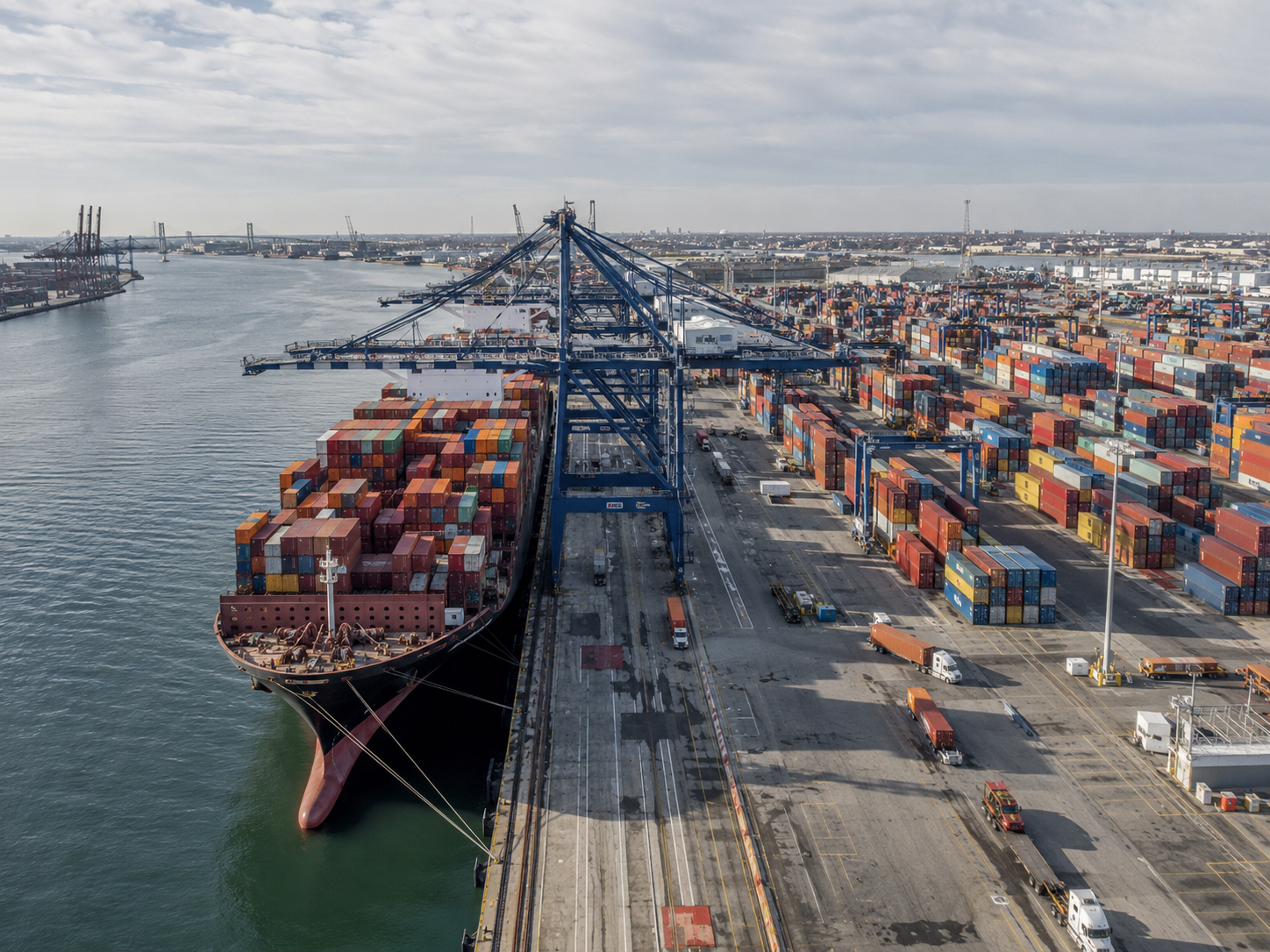
We coordinate sampling, chain of custody, and independent laboratory testing for FDA-detained shipments at ports of entry across the United States. Find your port below for a look at the FDA import division that handles it, the imports it sees most, and how detention response works there.
Nationwide Coordination
Local Ports, One Coordinated Process
FDA reviews imports through five import divisions, each with resident posts tied to specific ports of entry — and the compliance officer named on your notice works within the division that handles your port. FDA retired its old district names for imports in its 2024 reorganization; you can look up any port on FDA's import offices and ports of entry map. While the detention process follows the same federal framework everywhere, ports differ in the FDA division that oversees them, the commodities they handle most, and the local sampling and cold-storage logistics that affect timing. We coordinate testing wherever your shipment is held; these port guides explain what's specific to each.
Browse by Port
Major U.S. Ports of Entry We Cover
Guides for the ports where FDA-regulated imports are most often detained. Don't see yours? We coordinate testing nationwide — just reach out.
Miami, FL
The primary U.S. gateway for Latin American food imports. Common imports: Latin American produce, seafood, and specialty foods.
View port guide FDA West Coast ImportsLos Angeles / Long Beach, CA
The nation's largest container complex, handling about 31% of U.S. containerized seaborne trade in 2025. Common imports: Asian foods, seafood, supplements, cosmetics.
View port guide FDA Northeast ImportsNewark / New York, NJ-NY
The major Northeast gateway, covering the Port of NY/NJ at Elizabeth and Newark. Common imports: European foods, cheese, oils, diverse imports.
View port guide FDA Southwest ImportsHouston, TX
The largest Gulf Coast port and a growing food-import hub. Common imports: Latin American produce, grains, oils, beverages.
View port guide FDA Southeast ImportsSavannah, GA
One of the fastest-growing U.S. container ports in the Southeast. Common imports: Packaged foods, produce, beverages.
View port guide FDA Southwest ImportsLaredo, TX
The busiest U.S. land border crossing for trade with Mexico. Common imports: Mexican produce, processed foods, beverages, and confectionery.
View port guideShipment held at another port? These are our most-requested locations, but we coordinate sampling and testing at ports of entry nationwide. Send us your notice and we'll arrange it wherever your goods are.
Common Questions
FDA Ports and Import Divisions: Questions
How location affects an FDA detention case, and what stays the same at every port.
Which FDA import division handles my port?
FDA reviews imports through five divisions: Northeast Imports, Northern Border Imports, Southeast Imports, Southwest Imports, and West Coast Imports. Your Notice of FDA Action names the compliance officer and office handling the entry, and you can look up any port on FDA's import offices and ports of entry map.
Does the port change how an FDA detention works?
Not the rules. Every detention follows the same federal process: a Notice of FDA Action, a respond-by date, and a chance to submit evidence before FDA releases or refuses the shipment. What changes by port is the FDA division, the commodities most often detained, and local logistics such as warehouse access, cold storage, and courier time to the laboratory. Our detention-to-refusal timeline covers the federal steps.
Can you collect samples at ports not listed here?
Yes. The port guides above cover the locations we are asked about most, but we coordinate sampling and testing at seaports, airports, land border crossings, and inland facilities nationwide. Send us your notice and the location of the goods.
Where are detained shipments usually held?
Usually at a bonded warehouse, container freight station, or cold-storage facility where the cargo was unloaded or moved under bond. Detained goods must stay intact and available for FDA until a decision is made, so samplers need access arranged through the facility and your customs broker. Our chain of custody guide explains how collection is documented at these sites.
Do I need a local attorney at the port of entry?
Usually not for a single detained shipment. Sampling, testing, and the evidence package can be coordinated with your customs broker regardless of the port. Repeated refusals, import alert removal, or cases with legal exposure are better handled with a regulatory consultant or attorney. Our sister service, FDA Registration Assistance, handles import alert removal petitions and FDA compliance.
How quickly can sampling be arranged after a detention?
It depends on the facility's access schedule, the product's storage needs, and whether the test requires a LAAF-qualified sampler. Send the Notice of FDA Action and the port as soon as you receive it, because the respond-by date starts with the notice and laboratory testing usually takes the longest.
Source: FDA Import Offices and Ports of Entry.
Detained at Any Port?
Tell Us Where Your Shipment Is Held
Send your Notice of FDA Action and the port of entry. You'll get a case-specific read on the testing your charge requires and how to move quickly given local logistics.
Urgent detention matters receive priority intake review.
FDA Detention Sampling is an independent private company. We are not affiliated with, endorsed by, or part of the U.S. Food and Drug Administration. These guides are general information about FDA import detention at U.S. ports of entry; FDA's import division structure and procedures can change, and the instructions on your specific Notice of FDA Action control. Sampling, laboratory testing, documentation, and coordination services do not guarantee FDA release, admissibility, acceptance of laboratory results, removal from any import alert, or any specific regulatory outcome. FDA makes the final admissibility decision.