
Port Service Area
FDA Detention Sampling & Testing — Houston
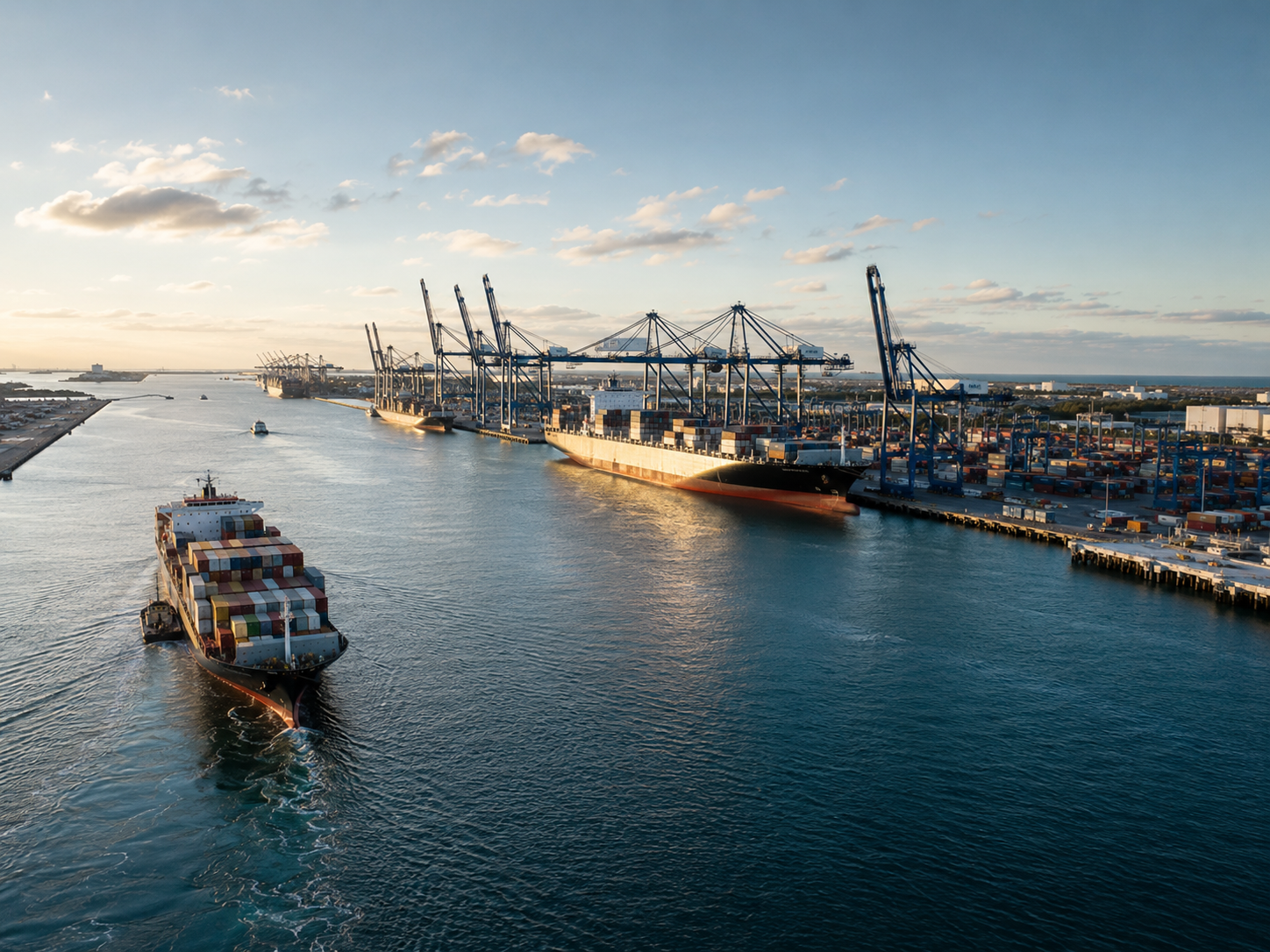
Houston is the largest Gulf Coast port and a fast-growing gateway for food imports. Here's how FDA detention response works there, the district that handles it, and the imports detained most.
The Short Version
FDA Detentions at Houston
Houston is the busiest Gulf Coast port and a growing entry point for Latin American produce, grains, oils, and beverages. Entries through the Port of Houston are reviewed by FDA's Dallas District import operations, which also covers the Texas region. Houston's rising food-import volume — much of it from Latin America — brings frequent pesticide, Salmonella, and mycotoxin detentions across produce, grains, and processed foods.
Port Snapshot
What to Know About Houston
- FDA District
- Dallas District import operations (Southwest Imports) review entries at the Port of Houston and Houston-area facilities.
- Gulf Coast Hub
- Houston is the largest container port on the U.S. Gulf Coast and one of the fastest-growing nationally.
- Top Commodities
- Latin American produce, grains and cereals, edible oils, beverages, and processed foods.
- Growing Volume
- Rising food-import traffic means increasing detentions, especially pesticide and mycotoxin charges on produce and grains.
- Latin American Trade
- Much of Houston's food import base comes from Latin America, aligning with produce and processed-food charges.
- Local Sampling
- Sampling can be arranged at Houston-area warehouses and storage facilities where detained goods are held.
Common at This Port
Detentions We See Most Here
Given Houston's produce, grain, and processed-food mix, these are among the most common detentions here:
Local Logistics
How Detention Response Works at Houston
-
Read the Notice, Note the District
Confirm the charge, respond-by date, and the FDA compliance officer — for Houston entries this is Dallas District operations. Loop in your customs broker.
-
Arrange Local Sampling
A sampler is arranged at the Houston-area warehouse or facility holding the detained goods, under documented chain of custody.
-
Test, Package & Submit
Samples go to an appropriately accredited (often LAAF) lab; results are packaged and submitted to FDA via ITACS. FDA makes the final admissibility decision.
The detention process itself is the same nationwide — see the detention-to-refusal timeline and the Detention Help Center. What varies by port is the FDA district, the commodity mix, and local sampling and storage logistics.
Be Realistic
Honest Notes on Houston Detentions
Set expectations honestly
- The process is federal, not local. FDA applies the same detention rules at every port; what differs is the district office, commodity mix, and local logistics — not the legal standard.
- Local storage clocks still run. Demurrage and warehouse charges accrue while goods sit detained at the port, so acting quickly matters here as everywhere.
- Release isn't removal. Clearing a shipment at this port doesn't lift an import alert; that's a separate removal petition.
- We coordinate, FDA decides. We arrange sampling and testing near the port to give your evidence its best footing — but FDA makes the final admissibility decision.
Related
Related Guides
Detention Help Center
Notice, timeline, testing, cost, and removal — the full detention playbook.
Get help ProductsProducts & Industries
Detention testing guides by product category, from seafood to botanicals.
Browse categories PortsAll Service Areas
Browse FDA detention testing coverage at major U.S. ports of entry.
All portsDetained at Houston?
Send the Notice — We'll Coordinate Locally
Send your Notice of FDA Action and confirm the port. You'll get a case-specific read on the testing your charge requires and how to move quickly given local sampling and storage logistics.
Urgent detention matters receive priority intake review.
FDA Detention Sampling is an independent private company. We are not affiliated with, endorsed by, or part of the U.S. Food and Drug Administration. This guide is general information about FDA import detention at the Houston port of entry; FDA district structure and procedures can change, and the instructions on your specific Notice of FDA Action control. Sampling, laboratory testing, documentation, and coordination services do not guarantee FDA release, admissibility, acceptance of laboratory results, removal from any import alert, or any specific regulatory outcome. FDA makes the final admissibility decision.