
Product & Industry Guide
FDA Detention Testing for Herbal & Botanical Products
Imported herbal and botanical products are detained for contaminants, undeclared drugs, heavy metals, and GMP issues. Here's why FDA holds these shipments, which import alerts apply, and what testing and documentation involve.
The Short Version
Why Herbal & Botanical Products Shipments Get Detained
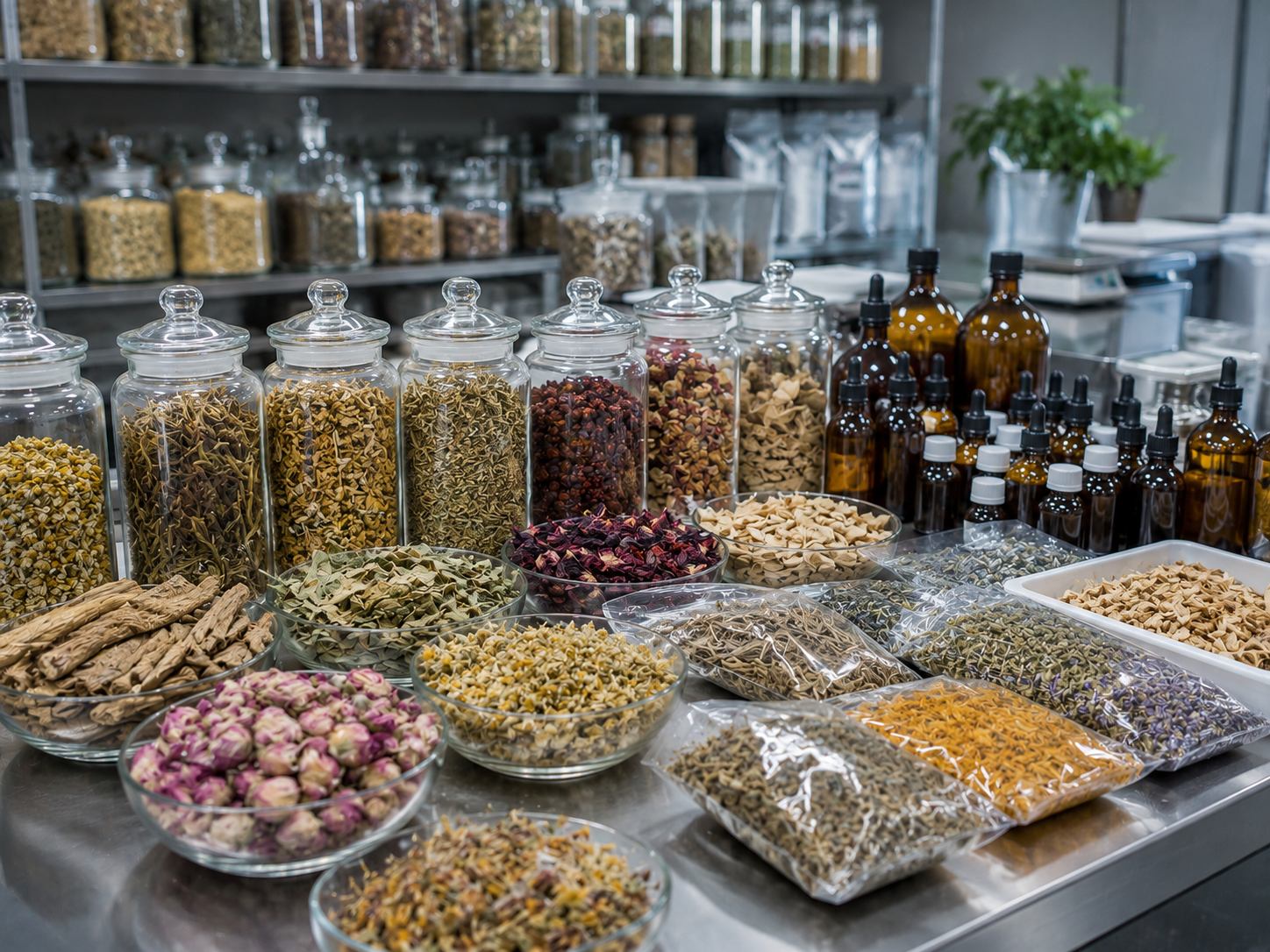
Herbal and botanical products are detained for a mix of contaminant, adulteration, and manufacturing charges — pathogens, heavy metals, pesticides, undeclared drugs, and GMP. Teas, dried herbs, botanical extracts, and traditional remedies are agricultural products that can carry Salmonella, mycotoxins, pesticide residues, and heavy metals from soil or processing. Some botanical products marketed with health benefits are also spiked with undeclared pharmaceutical ingredients, and those sold as supplements may face GMP charges. The charge determines whether the path is testing, documentation, or manufacturing remediation.
The Alerts That Apply
Import Alerts That Commonly Hit Herbal & Botanical Products
These are among the most frequent detentions in this category. Select any alert for a full plain-language guide:
Food Products — Salmonella
Salmonella in dried herbs, teas, and botanical ingredients.
Read the guide IA 23-14Food Products — Mycotoxins
Aflatoxins and other mycotoxins in botanicals prone to mold in growing and storage.
Read the guide IA 54-14Supplements — GMP
Where botanicals are sold as dietary supplements, Part 111 manufacturing requirements can apply.
Read the guideThe Common Charges
What Herbal & Botanical Products Gets Charged For
- Microbial Contamination
- Salmonella and other pathogens in dried herbs, teas, and botanical raw materials handled in open-air conditions.
- Heavy Metals
- Lead, arsenic, cadmium, or mercury in botanicals — from soil, water, or in some traditional remedies, deliberate ingredients.
- Undeclared Drug Ingredients
- Botanical products spiked with pharmaceutical actives (e.g., in products for weight loss, sexual enhancement, or pain) — treated as unapproved new drugs.
- Mycotoxins
- Aflatoxins and ochratoxin in botanicals susceptible to mold during drying and storage.
- Pesticide Residues
- Residues on cultivated botanicals above U.S. tolerances or from unapproved pesticides.
- GMP & Labeling
- For botanicals sold as supplements, manufacturing-practice and Supplement Facts labeling requirements can trigger charges.
The Testing
What Herbal & Botanical Products Testing Involves
-
Representative Sampling
A trained sampler collects representative samples across the lot under documented custody — important for botanicals, where contamination like Salmonella or aflatoxin is often uneven.
-
Analyte-Matched Analysis
The charge dictates the method: microbiological culture for pathogens, ICP-MS for heavy metals, LC-MS/MS for undeclared drugs or mycotoxins, or multi-residue screening for pesticides, at an appropriately accredited lab.
-
Testing, Documentation, or Remediation
Contaminant charges point to an analytical package to FDA via ITACS. GMP charges point to manufacturing remediation and documentation, usually led by a regulatory consultant.
Botanicals can be a food, a supplement, or effectively a drug. The classification and charge determine the path — testing, documentation, or GMP remediation. See the supplement GMP alert (IA 54-14) and the full directory.
Be Realistic
Honest Notes on Herbal & Botanical Products Detentions
Set expectations honestly
- Undeclared drugs make a botanical an unapproved drug. Once a pharmaceutical active is found, the product is treated as a drug — a serious charge testing confirms rather than clears.
- Heavy metals and mycotoxins can't be washed out. If a botanical exceeds limits, testing confirms rather than clears it.
- GMP charges need remediation, not just testing. Where a botanical supplement faces a manufacturing charge, testing one shipment usually doesn't resolve it.
- Release isn't removal. Clearing one botanical shipment doesn't lift an alert on the firm; that's a separate removal petition.
- No guaranteed outcome. We coordinate the testing that applies and can connect the GMP/petition side through our sister service — but FDA decides admissibility.
Related
Related Guides
Private Laboratory Testing
How the analytical package that supports a release is built and submitted.
Read the guide HubAll Products & Industries
Browse detention testing guides for every product category we cover.
Browse categories HelpDetention Help Center
Notice, timeline, testing, cost, and removal — the full detention playbook.
Get helpHerbal & Botanical Products Detained?
Send the Notice — We'll Match the Right Test
Send your Notice of FDA Action and the product involved. You'll get a quick, honest read on what your charge requires and what testing can do.
Urgent detention matters receive priority intake review.
FDA Detention Sampling is an independent private company. We are not affiliated with, endorsed by, or part of the U.S. Food and Drug Administration. This guide is general information about FDA import detention and testing for herbal & botanical products; the charge and instructions on your specific Notice of FDA Action, and the applicable import alert, control. Sampling, laboratory testing, documentation, and coordination services do not guarantee FDA release, admissibility, acceptance of laboratory results, removal from any import alert, or any specific regulatory outcome. FDA makes the final admissibility decision.