Sample Integrity
Sample Collection and Chain of Custody for FDA-Detained Shipments
A laboratory result only carries weight if the sample behind it is representative, intact, and traceable. We coordinate the collection, sealing, transfer, and documentation that connect the tested sample to your detained shipment — without gaps.
Plain-Language Definition
What Is a Chain of Custody?
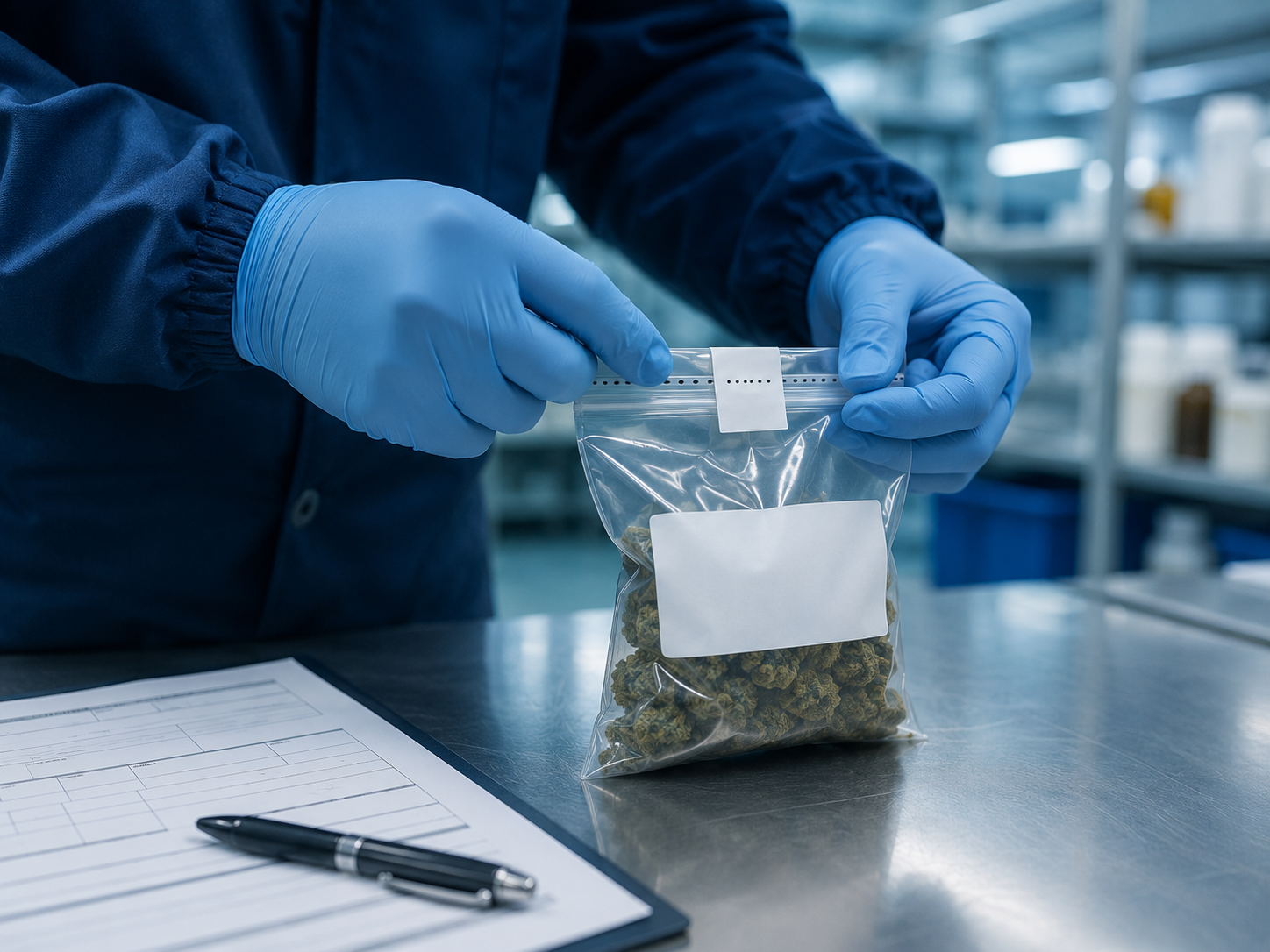
A chain of custody is the documented, unbroken record of a sample's life: who collected it, when and where, how it was identified and sealed, every hand and vehicle it passed through, and the condition it was in when the laboratory received it. Its purpose is to prove one thing convincingly — that the sample tested is the same, unaltered sample taken from the detained shipment.
In an FDA detention response, the chain of custody is what lets a private laboratory report speak for your specific shipment. A result with a gap in its custody record invites a simple, fatal question: how do we know this sample came from that lot?
Learn how testing coordination builds on chain of custodyCollection Planning
What Makes a Sample Representative?
A representative sample fairly reflects the detained lot as a whole — not just the most convenient carton by the door. If contamination or a composition issue could vary across the shipment, the sampling plan has to account for that, or the result answers a question nobody asked.
There is no universal sampling plan. The right approach for your shipment is built from the product, the lot structure, the required testing method, and the laboratory's stated sample requirements — which is why laboratory requirements are confirmed before collection, never after.
Collection itself is subject to the holding facility's authorization and procedures, and is performed by qualified or appropriate sampling resources coordinated for the case.
A sampling plan accounts for
- Product type and packaging format
- Lot and batch structure across the shipment
- Number of units and where they're drawn from
- Sample quantity per required analysis
- Shipment configuration at the facility
- Required testing method
- Temperature conditions during collection
- Maintaining sample integrity throughout
From Shipment to Laboratory
How Custody Is Maintained, Step by Step
Every handoff is a point where custody can hold or break. The record follows the sample through five stages.
-
Collection and Identification
The sample is drawn per the plan and immediately tied to the product, lot, location, date, time, and collector.
-
Sealing and Labeling
Numbered tamper-evident seals and unique sample IDs make any later interference visible and traceable.
-
Packaging and Condition Record
Packaging, containment, and temperature state are documented at handoff — the baseline the laboratory checks against.
-
Transfer and Transport
Each transfer is signed and time-stamped; courier details and tracking keep the transport leg accountable.
-
Laboratory Receipt
The laboratory documents arrival condition, seal integrity, and temperature — closing the chain from shipment to bench.
Documentation
What a Chain-of-Custody Record Documents
The record is a set of linked entries, each answering a question a reviewer might ask: What is this sample? Who touched it? Was it intact the whole way? The specific records needed vary with the product, the testing method, and case-specific requirements — but a complete file typically covers everything listed here.
Where facility permissions and case requirements allow, photographs reinforce the written record: the shipment as found, product and label close-ups, lot codes, packaging condition, applied seals, and the courier handoff.
What We Guard Against
Where Chain of Custody Commonly Breaks
Most custody failures aren't dramatic — they're small omissions that only become visible when someone scrutinizes the record. These are the failures coordination is designed to prevent.
Common custody failures:
- Samples pulled from the wrong lot or unverified cartons
- No unique sample IDs — samples can't be told apart
- Unsealed or unnumbered containers
- Transfers with no signature, date, or time
- Temperature excursions nobody recorded
- A courier leg with no tracking or receipt
- Laboratory receipt condition never documented
- Collection performed before the lab's requirements were known
Any one of these can undermine an otherwise favorable result. Careful coordination reduces these risks; it cannot guarantee how any reviewer, including FDA, will weigh the record.
Access and Authorization
Who Collects the Samples, and Who Authorizes Access?
Physical access to detained cargo is controlled by the facility holding it — a warehouse, cold-storage site, bonded facility, or container freight station — and activity related to the entry is typically authorized by the importer or its customs broker. No private company can compel access.
Collection is performed by qualified or appropriate sampling resources coordinated for the case, based on the location, the product, facility rules, required qualifications, and availability. Collector information becomes part of the custody record.
Our role is making the pieces line up: authorization confirmed, instructions delivered, laboratory requirements in hand, and a sampler at the right facility at the right time.
Explore All Sampling Services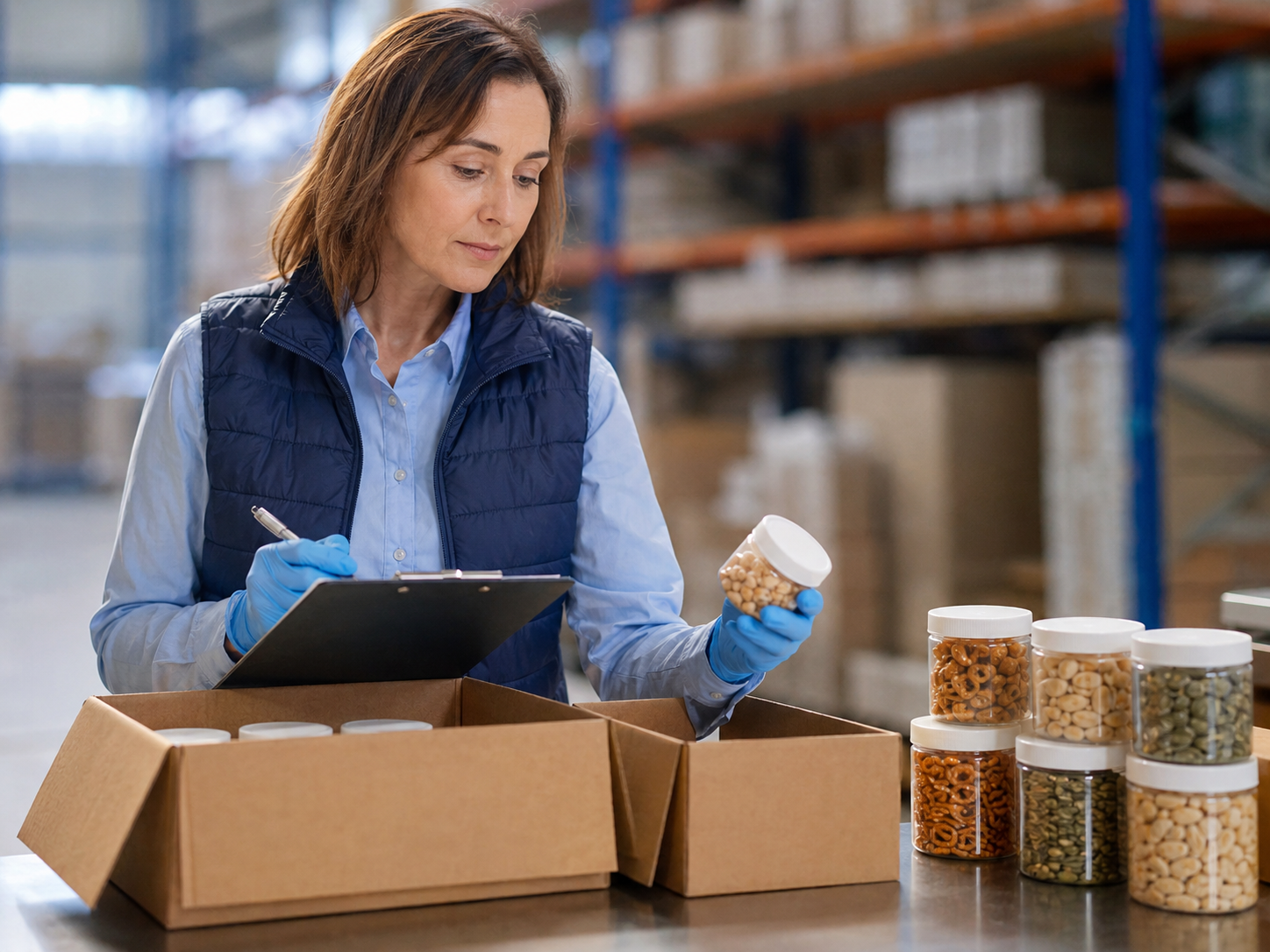
Common Questions
Sample Collection and Chain-of-Custody Questions
Direct answers to what importers ask most about collection and custody documentation.
Why does FDA care about chain of custody for private testing?
Because the laboratory result is only evidence about your shipment if the tested sample verifiably came from it. FDA evaluates private analytical results together with how the sample was collected, identified, handled, and transferred — a gap in that record weakens or defeats the result.
A complete custody record answers the provenance question before it's asked. FDA still makes the final admissibility decision on its own review.
Can I collect the samples myself?
Self-collection is generally a risk. Even setting aside facility access rules, a sample collected by an interested party without independent documentation invites credibility questions, and specific cases may carry requirements about who performs collection and how.
Using an appropriate, documented sampling resource — with the collector identified in the custody record — protects the value of the testing you're paying for. The right approach for your case is confirmed at intake.
What is a tamper-evident seal and why does it matter?
A tamper-evident seal is a uniquely numbered closure that cannot be opened without visibly breaking. The seal number is recorded at collection and verified at laboratory receipt — matching numbers and intact seals demonstrate the sample wasn't accessed in transit.
Seal information is one of the strongest links in the custody record because it converts "we believe nobody touched it" into documented evidence.
How many samples need to be collected?
It depends on the analysis, the testing method, and the lot structure of the shipment — some methods require multiple units drawn from across the lot to be representative, and the laboratory specifies minimum quantities per test.
This is confirmed with the laboratory before collection, because under-collecting is the most common cause of re-sampling delays.
What happens if the seal arrives broken at the laboratory?
The laboratory documents the arrival condition, including any seal discrepancy, and the responding parties decide how to proceed — often re-sampling, since a compromised seal undermines what the result can prove.
This is exactly why packaging, containment, and courier handling are planned in advance rather than improvised at the dock.
Can samples be collected at a bonded warehouse or CFS?
Often yes, subject to the facility's authorization and the procedures that apply to goods under bond. Bonded facilities and container freight stations each have their own access, supervision, and documentation rules.
The facility name and contact are among the first details confirmed at intake, because they determine what's feasible for your shipment.
Do refrigerated or frozen products change the custody process?
Yes — temperature becomes part of the record. Collection conditions, transport temperature control, and arrival temperature at the laboratory are documented, because an unrecorded temperature excursion can invalidate certain analyses.
Cold-chain samples also constrain courier choices and timing, which is why temperature condition is requested at intake.
Is the chain-of-custody record given to me?
Yes. Custody records, collection documentation, photographs where taken, and laboratory receipt confirmations are organized with the laboratory report into a case file for you and your authorized parties — the importer, broker, consultant, or attorney handling the response.
How the file is used, including any submission to FDA, is a decision for those authorized parties.
Protect Your Evidence
Get Your Samples Collected and Documented Properly
Submit your FDA Notice of Action, product details, shipment location, and warehouse contact. Your case will be reviewed and a collection and custody plan outlined that fits your product, your facility, and the laboratory's requirements.
Urgent detention matters receive priority intake review.
FDA Detention Sampling is an independent private company. We are not affiliated with, endorsed by, or part of the U.S. Food and Drug Administration. Sample collection is subject to facility authorization and case-specific requirements. Sampling, chain-of-custody documentation, laboratory testing, and coordination services do not guarantee FDA release, admissibility, acceptance of laboratory results, or any specific regulatory outcome. FDA makes the final admissibility decision.