Import Alert Guide
Import Alert 16-124 — Aquaculture Seafood, Unapproved Drugs
A plain-language guide to FDA Import Alert 16-124, which allows detention without physical examination of aquaculture seafood products for unapproved animal drug residues. What it covers, the charge it carries, and what per-shipment testing evidence typically involves.
The Short Version
What Is Import Alert 16-124?
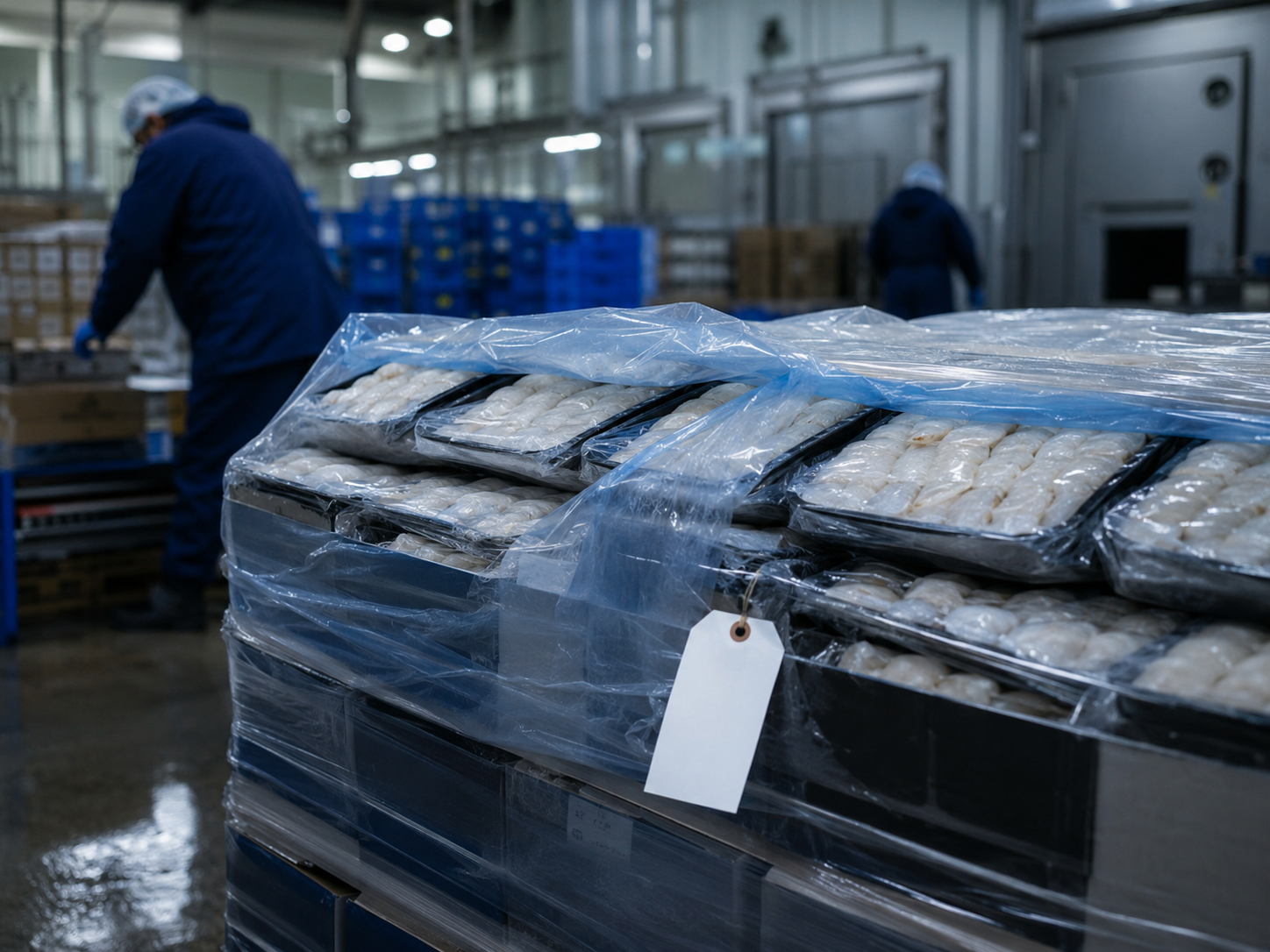
Import Alert 16-124 permits FDA to detain, without physical examination, aquaculture seafood products from Red List firms found to bear or contain unapproved new animal drug residues. Drugs not approved by FDA for use in aquatic food species are not permitted at any level — any amount detected renders the product adulterated. There is no acceptable level, and modern methods detect residues down to parts per billion or trillion. Once a firm is listed, every covered shipment is presumed violative on arrival.
- Alert Number
- 16-124
- Products Covered
- Aquaculture (farmed) seafood products from Red List firms — shrimp, catfish, basa, tilapia, eel, and others
- Charge
- Adulteration — appears to bear or contain an unsafe new animal drug (Section 402(a)(2)(C)(ii))
- Mechanism
- Detention Without Physical Examination (DWPE), firm-specific Red List
- Scope Note
- Covers all unapproved animal drugs except chloramphenicol (IA 16-127) and nitrofurans (IA 16-129)
- Official Text
- FDA Import Alert 16-124
The Background
Why Aquaculture Seafood Gets Detained Under 16-124
Farmed seafood is vulnerable to disease, and veterinary drugs are sometimes used to treat or prevent it — but drugs FDA has not approved for aquatic food species may not be used at any level. When their residues appear in the edible portion of the product, the seafood is adulterated under U.S. law.
The residues most often at issue in aquaculture include malachite green, gentian (crystal) violet, fluoroquinolones, and quinolones. The concern is not acute poisoning at these trace levels but long-term exposure risks — several of these compounds are considered carcinogenic or genotoxic, and antibiotic residues can contribute to antimicrobial resistance.
Important scope distinction: 16-124 covers unapproved animal drugs broadly, but two of the most-tested residues have their own dedicated alerts — chloramphenicol falls under Import Alert 16-127, and nitrofurans under Import Alert 16-129. Which alert your notice cites determines exactly what must be tested.
The Evidence
What Per-Shipment Testing Typically Involves
To secure release of an individual detained shipment, the responsible party generally provides evidence that the specific product does not bear or contain the unapproved drug residues at issue. That evidence commonly rests on third-party laboratory analysis of a representative sample under documented custody.
-
Species-Appropriate Screening
The residues screened depend on the species and the alert's charge — for example, malachite green and its metabolite leucomalachite green, fluoroquinolones, or gentian violet — analyzed from a representative sample of the detained lot.
-
Accredited Analysis at Trace Levels
Methods must detect residues at the low levels FDA uses (ppb/ppt). Where applicable to detained food, testing to support admission is performed by a LAAF-accredited laboratory; laboratory fit is confirmed during matching.
-
Your Team Submits
Results and custody records are organized into a case file; you and your authorized parties submit to the FDA compliance office named on the notice. FDA may collect audit samples before deciding, and makes the final admissibility decision.
Screen for the right residues. Because 16-124, 16-127, and 16-129 divide the drug residues between them, testing the wrong panel wastes time and money. The charge on your notice defines the analytes — confirm it before collection. See our laboratory testing coordination guide.
Be Realistic
What This Alert Means in Practice
Honest limitations
- Zero tolerance. There is no acceptable level for an unapproved animal drug residue; any confirmed detection at or above the method's limit fails the shipment. Testing cannot change what is in the product.
- Release is not removal. Winning release of one shipment does not take the firm off the Red List — future shipments are still detained until removal succeeds.
- Removal is documentation-heavy. Petitions to FDA commonly require a run of consecutive released entries plus documentation that the processor operates under adequate controls from farm to finished product — sometimes including third-party processor inspection evidence.
- Processing location matters. Where seafood is farmed in one place but processed in another, FDA may look for evidence that controls covered the full farm-to-finished-product chain.
Related
Related Alerts & Guides
China Aquaculture — Drug Residues
The countrywide China aquaculture alert — same drug-residue concern, applied by origin rather than by firm.
Read the guide IA 16-81Seafood — Salmonella
The other major seafood alert family — pathogen contamination rather than drug residues.
Read the guide IndustrySeafood Detention Testing
Category overview: common seafood detention reasons and the testing they typically require.
View industriesSeafood Detained Under 16-124?
Bring Us the Notice — We'll Screen for the Right Residues
Send your FDA Notice of Action with the charge it cites, plus product, species, and lot details. You'll get an honest, case-specific read on which analytes to test and what coordination can do — before any commitment.
Urgent detention matters receive priority intake review.
FDA Detention Sampling is an independent private company. We are not affiliated with, endorsed by, or part of the U.S. Food and Drug Administration. This guide is a plain-language summary of Import Alert 16-124; the official alert text published by FDA is authoritative and controls. Sampling, laboratory testing, documentation, and coordination services do not guarantee FDA release, admissibility, acceptance of laboratory results, removal from any import alert, or any specific regulatory outcome. FDA makes the final admissibility decision.