Product & Industry Guide
FDA Detention Testing for Herbal & Botanical Products
Imported herbal and botanical products are detained for contaminants, undeclared drugs, heavy metals, and GMP issues. Here's why FDA holds these shipments, which import alerts apply, and what testing and documentation involve.
The Short Version
Why Herbal & Botanical Shipments Get Detained
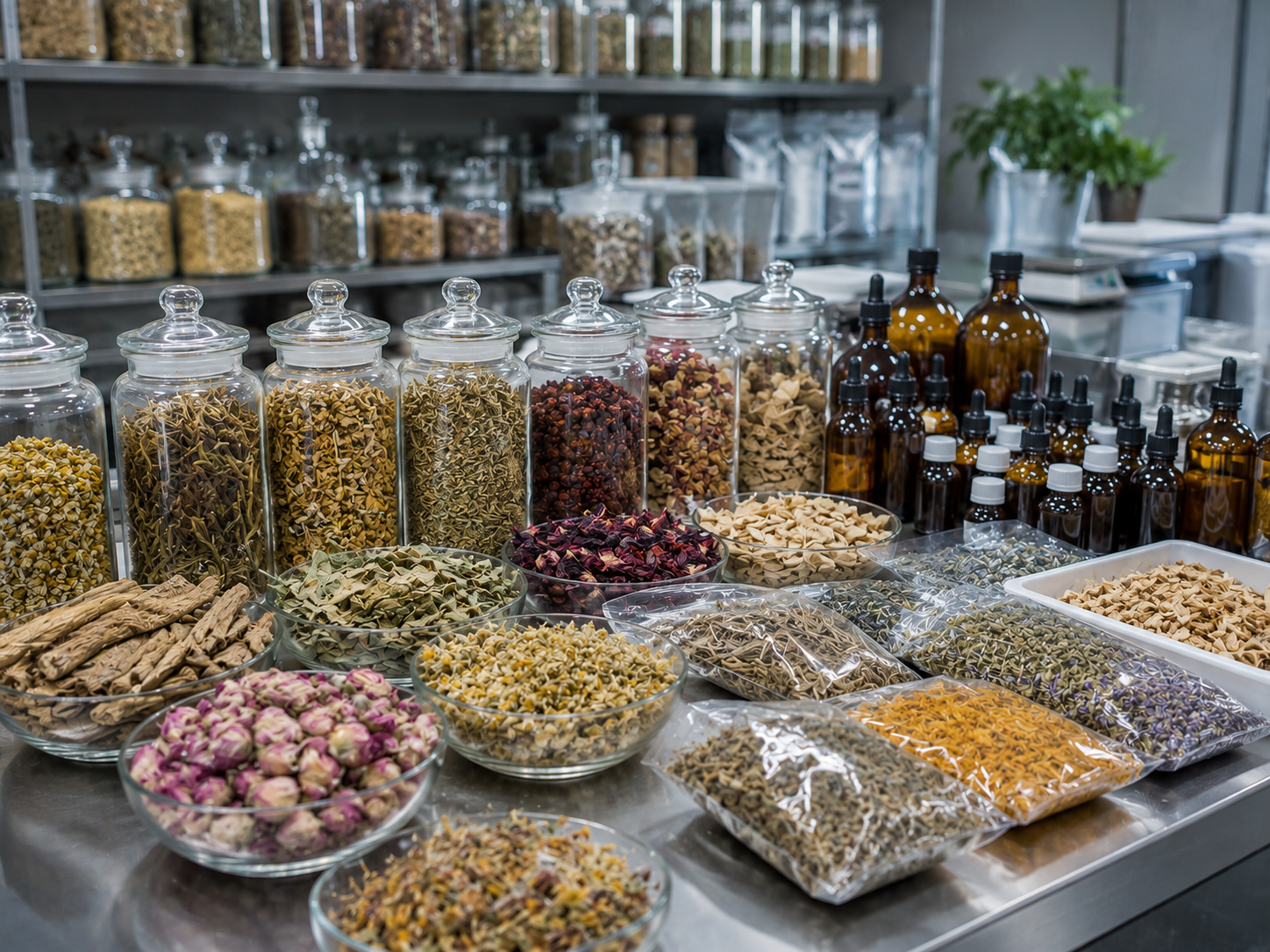
Herbal and botanical products are detained for a mix of contaminant, adulteration, and manufacturing charges — pathogens, heavy metals, pesticides, undeclared drugs, and GMP. Teas, dried herbs, botanical extracts, and traditional remedies are agricultural products that can carry Salmonella, mycotoxins, pesticide residues, and heavy metals from soil or processing. Some botanical products marketed with health benefits are also spiked with undeclared pharmaceutical ingredients, and those sold as supplements may face GMP charges. The charge determines whether the path is testing, documentation, or manufacturing remediation.
The Alerts That Apply
Import Alerts That Commonly Hit Herbal & Botanical Products
These are among the most frequent detentions in this category. Select any alert for a full plain-language guide:
Food Products — Salmonella
Salmonella in dried herbs, teas, and botanical ingredients.
Read the guide IA 23-14Food Products — Mycotoxins
Aflatoxins and other mycotoxins in botanicals prone to mold in growing and storage.
Read the guide IA 54-14Supplements — GMP
Where botanicals are sold as dietary supplements, Part 111 manufacturing requirements can apply.
Read the guide IA 54-16Products With Hidden Drug Ingredients
Botanicals and supplements that contain an undeclared active pharmaceutical ingredient, often sold for weight loss, sexual enhancement, or pain.
Official FDA text FDA ListSupplement & Botanical Alerts
FDA's list of every alert for vitamins, minerals, proteins, and other dietary products, including botanicals.
View the listThe Common Charges
What Herbal & Botanical Products Get Charged For
- Microbial Contamination
- Salmonella and other pathogens in dried herbs, teas, and botanical raw materials handled in open-air conditions.
- Heavy Metals
- Lead, arsenic, cadmium, or mercury in botanicals — from soil, water, or in some traditional remedies, deliberate ingredients. Since October 23, 2026, toxic-element release testing requires a LAAF-accredited lab.
- Undeclared Drug Ingredients
- Botanical products spiked with pharmaceutical actives (e.g., in products for weight loss, sexual enhancement, or pain) — treated as unapproved new drugs under Import Alert 54-16.
- Mycotoxins
- Aflatoxins and ochratoxin in botanicals susceptible to mold during drying and storage. Mycotoxin release testing requires a LAAF-accredited lab.
- Pesticide Residues
- Residues on cultivated botanicals above U.S. tolerances or from unapproved pesticides.
- GMP & Labeling
- For botanicals sold as supplements, manufacturing-practice and Supplement Facts labeling requirements can trigger charges.
The Testing
What Herbal & Botanical Testing Involves
-
Representative Sampling
A LAAF-ready sampler collects representative samples across the lot under a written sampling plan and chain of custody — important for botanicals, where contamination like Salmonella or aflatoxin is often uneven.
-
Analyte-Matched Analysis
The charge dictates the method: microbiological culture for pathogens, ICP-MS for heavy metals, LC-MS/MS for undeclared drugs or mycotoxins, or multi-residue screening for pesticides. Heavy-metal and mycotoxin tests must use a LAAF-accredited lab. Salmonella, pesticide, and drug tests use an ISO/IEC 17025 lab.
-
Testing, Documentation, or Remediation
For heavy metals and mycotoxins, the LAAF laboratory submits results directly to FDA. Other contaminant results go to the compliance office named on the notice. GMP charges point to manufacturing remediation and documentation, usually led by a regulatory consultant.
Botanicals can be a food, a supplement, or effectively a drug. The classification and charge determine the path — testing, documentation, or GMP remediation. See the supplement GMP alert (IA 54-14) and the full directory.
Be Realistic
Honest Notes on Herbal & Botanical Detentions
Set expectations honestly
- Undeclared drugs make a botanical an unapproved drug. Once a pharmaceutical active is found, the product is treated as a drug — a serious charge testing confirms rather than clears.
- Heavy metals and mycotoxins can't be washed out. If a botanical exceeds limits, testing confirms rather than clears it.
- GMP charges need remediation, not just testing. Where a botanical supplement faces a manufacturing charge, testing one shipment usually doesn't resolve it.
- Release isn't removal. Clearing one botanical shipment doesn't lift an alert on the firm; that's a separate removal petition.
- No guaranteed outcome. We coordinate the testing that applies and can connect the GMP/petition side through our sister service — but FDA decides admissibility.
Common Questions
Herbal & Botanical Detention Questions
Direct answers to what botanical importers ask most about heavy metals, mycotoxins, hidden drugs, and LAAF.
Why does FDA detain herbal and botanical products?
Herbal and botanical products are detained for a mix of contaminant, adulteration, and manufacturing charges — including Salmonella and other pathogens, heavy metals, mycotoxins, pesticide residues, undeclared pharmaceutical ingredients, and, where sold as supplements, GMP and labeling issues. Botanicals are agricultural products that can carry contamination from soil, water, and processing. The charge on the Notice of FDA Action identifies which applies.
Which import alerts apply to herbal and botanical products?
Common alerts include Import Alert 99-19 for Salmonella in food products, 23-14 for mycotoxins, 54-16 for products that contain an undeclared active pharmaceutical ingredient, and, where botanicals are sold as dietary supplements, 54-14 for GMP. Heavy-metal and pesticide charges appear under additional issue-specific alerts.
Why are heavy metals a concern in botanicals?
Botanicals can accumulate lead, arsenic, cadmium, or mercury from the soil and water where they are grown, and some traditional remedies historically contained heavy metals as intentional ingredients. FDA tests for them using methods such as ICP-MS, and since October 23, 2026, toxic-element release testing on detained food must be done by a LAAF-accredited laboratory. A product exceeding limits is confirmed rather than cleared by testing.
How are herbal and botanical products tested for an FDA detention?
A LAAF-ready sampler collects representative samples across the lot under a written sampling plan and chain of custody, because contamination like Salmonella or aflatoxin is often uneven. The laboratory then analyzes with the method matched to the charge — microbiological culture for pathogens, ICP-MS for heavy metals, LC-MS/MS for undeclared drugs or mycotoxins, or multi-residue screening for pesticides. LAAF laboratories submit results directly to FDA; other packages go to the compliance office named on the notice.
Does botanical testing need a LAAF-accredited laboratory?
Only for analytes on FDA's LAAF list. As of November 2026, it covers mycotoxins such as aflatoxins, toxic elements (arsenic, cadmium, lead, and mercury), Listeria monocytogenes, and melamine and cyanuric acid. For botanicals, that means heavy-metal and mycotoxin tests need a LAAF lab, while Salmonella, pesticide, and undeclared-drug tests use an ISO/IEC 17025 laboratory. FDA adds analytes over time on its LAAF Dashboard.
Does clearing a botanical shipment remove the import alert?
No. Clearing an individual botanical shipment does not remove the firm or product from the import alert. Future shipments continue to be detained without physical examination until a separate removal petition is filed and approved, which for GMP alerts usually requires evidence that the manufacturing issues were resolved.
Sources: FDA Import Alert 54-16, 54-14, and 99-19; FDA LAAF program and LAAF Dashboard.
Related
Related Guides
Private Laboratory Testing
How the analytical package that supports a release is built and submitted.
Read the guide HubAll Products & Industries
Browse detention testing guides for every product category we cover.
Browse categories HelpDetention Help Center
Notice, timeline, testing, cost, and removal — the full detention playbook.
Get helpHerbal & Botanical Products Detained?
Send the Notice — We'll Match the Right Test
Send your Notice of FDA Action and the product involved. You'll get a quick, honest read on what your charge requires and what testing can do.
Urgent detention matters receive priority intake review.
FDA Detention Sampling is an independent private company. We are not affiliated with, endorsed by, or part of the U.S. Food and Drug Administration. This guide is general information about FDA import detention and testing for herbal & botanical products; the charge and instructions on your specific Notice of FDA Action, and the applicable import alert, control. Sampling, laboratory testing, documentation, and coordination services do not guarantee FDA release, admissibility, acceptance of laboratory results, removal from any import alert, or any specific regulatory outcome. FDA makes the final admissibility decision.