Import Alert Guide
Import Alert 23-14 — Food Products, Mycotoxins
A plain-language guide to FDA Import Alert 23-14, which allows detention without physical examination of food products due to the presence of mycotoxins — including aflatoxins, DON, fumonisins, and ochratoxin A. What it covers, the charge it carries, and what per-shipment testing evidence typically involves.
The Short Version
What Is Import Alert 23-14?
Import Alert 23-14 permits FDA to detain, without physical examination, food products from Red List firms due to the presence of mycotoxins. Mycotoxins are toxic compounds produced by molds that infect food crops. When a food contains a mycotoxin at levels FDA treats as actionable — under its compliance policy guides and action or advisory levels — the product may be considered adulterated and refused. Once a firm and product are listed, covered shipments are presumed violative on arrival. Since December 1, 2024, testing to support release, and the consecutive testing used for removal, must be done by a LAAF-accredited laboratory.
- Alert Number
- 23-14
- Products Covered
- Food products from Red List firms, mostly peanuts and peanut products, pistachios, corn products, pumpkin and melon seeds, figs, and nut candies, plus apple juice for patulin
- Mycotoxins
- Aflatoxins (B1, B2, G1, G2), deoxynivalenol (DON / vomitoxin), fumonisins (FB1, FB2, FB3), ochratoxin A (OTA), and patulin
- Charge
- Adulteration — poisonous and deleterious substance (Section 402(a)(1); refused under 801(a)(3)); OASIS code MYCOTOXIN
- Mechanism
- Detention Without Physical Examination (DWPE), firm/product Red List
- LAAF Lab Required
- Since December 1, 2024, for release testing and for consecutive testing used for removal (21 CFR 1.1107)
- Red List
- About 150 firm entries, led by Mexico, India, Turkey, and Vietnam
- Official Text
- FDA Import Alert 23-14
The Background
Why Food Products Get Detained Under 23-14
Mycotoxins are toxic metabolites produced by molds that infect crops during production and storage, and their occurrence in food is not entirely avoidable. FDA focuses on several in particular: aflatoxins (produced by Aspergillus species and found in commodities like peanuts, corn, tree nuts, and small grains), deoxynivalenol or DON (a Fusarium mold toxin common in wheat and other grains), fumonisins (also from Fusarium, common in corn), and ochratoxin A. Patulin, a mold toxin in apple juice, is also covered, with a Defect Action Level of 50 parts per billion under CPG Sec. 510.150.
Whether a level is "actionable" is judged against FDA's compliance policy guides and guidance — for example, CPG Sec. 555.400 for aflatoxin in foods generally, and commodity-specific guides for Brazil nuts, peanuts, and pistachios, plus advisory levels for DON and fumonisins. Because aflatoxins are recognized human and animal carcinogens, this alert is applied seriously, and regulatory packages are evaluated case by case.
When analysis shows a firm's product at actionable levels, FDA can add the firm and product to the Red List, after which covered shipments are automatically detained.
The Evidence
What Per-Shipment Testing Typically Involves
To secure release of an individual detained shipment, the responsible party generally provides evidence that the specific product does not contain the mycotoxin at issue above actionable levels — commonly private laboratory analysis of a representative sample under documented custody.
-
LAAF-Ready Sampling
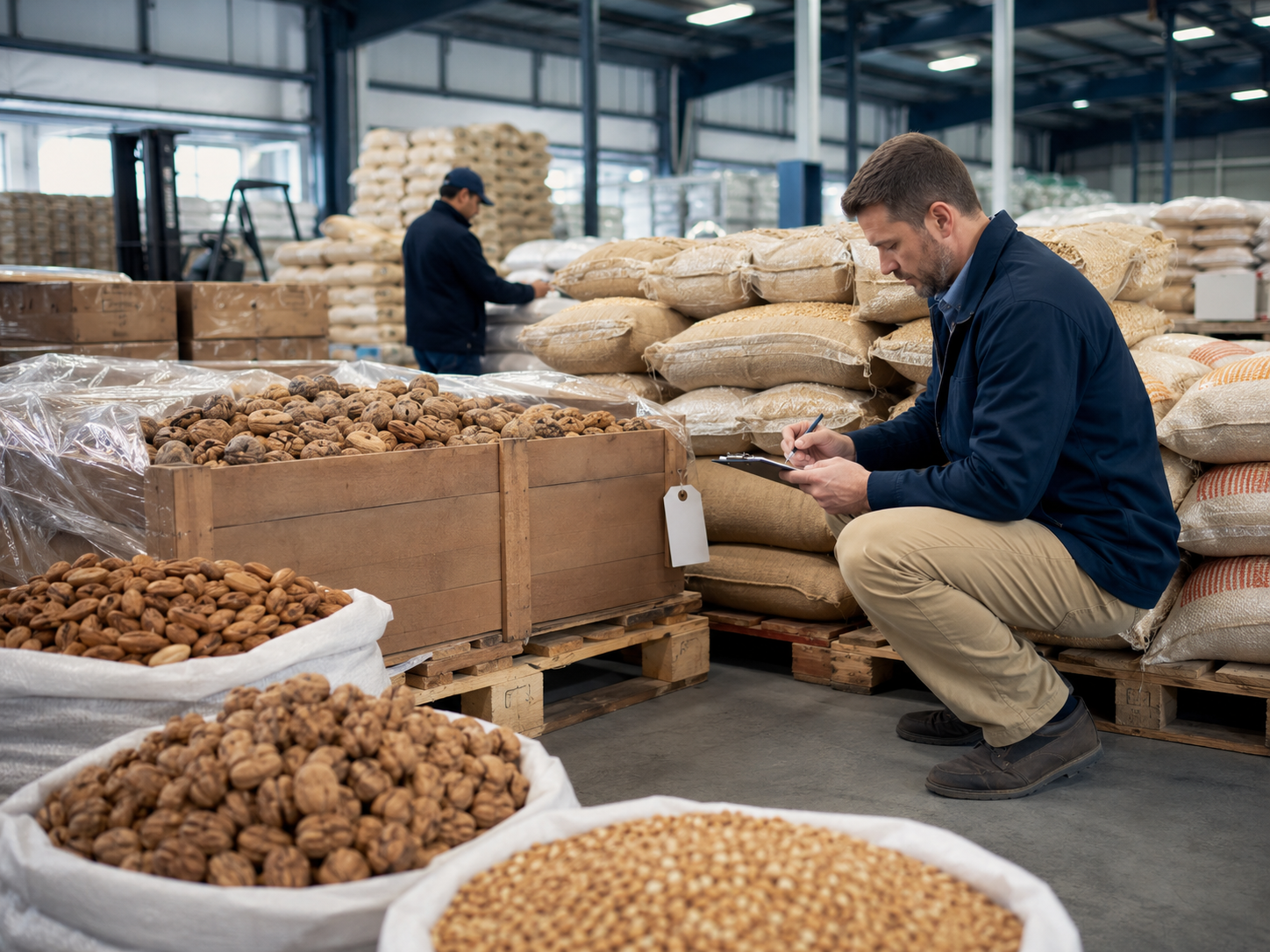
Mycotoxin contamination is uneven within a lot, so representative sampling matters enormously. A LAAF-ready sampler collects from the detained lot after arrival under a written sampling plan, sized to the commodity and method, and completes a collection report with the chain of custody.
-
LAAF-Accredited Analysis
A laboratory LAAF-accredited for the specific mycotoxin method quantifies the toxin and evaluates results against FDA's action or advisory levels. Mycotoxins were the first analyte group FDA phased into LAAF, effective December 1, 2024.
-
Results Go to FDA
The LAAF-accredited laboratory submits the results directly to FDA, together with the sampler's qualifications, the sampling plan, and the collection report. Your team responds to the compliance office named on the notice. FDA may collect audit samples before it decides.
Sampling design is decisive here. Because mycotoxins concentrate in "hot spots" rather than spreading evenly, an unrepresentative sample can either miss contamination or overstate it. A defensible, well-designed sampling plan is often the difference-maker. See our sample collection and chain of custody guide.
Be Realistic
What This Alert Means in Practice
Honest limitations
- Contamination is uneven. Mycotoxin levels vary widely within a single lot; a shipment can pass or fail depending on where and how it was sampled, which is exactly why sampling design is treated so carefully.
- Actionable levels, not zero. Unlike a pathogen with a zero-tolerance standard, mycotoxins are judged against action and advisory levels — the analysis has to show the product is below the applicable threshold for that commodity.
- Release is not removal. Winning release of one shipment does not take the firm off the Red List — future shipments are still detained until removal succeeds.
- Removal needs resolved root cause. Removal requires a petition to Importalerts2@fda.hhs.gov showing the conditions causing the violation were resolved, per FDA's Regulatory Procedures Manual, Chapter 9-8. Consecutive non-violative shipments used to support removal must be tested by a LAAF-accredited laboratory. Our sister service, FDA Registration Assistance, prepares removal petitions.
Common Questions
Import Alert 23-14 Questions
Direct answers to what importers of nuts, grains, and other foods ask most about 23-14 detentions.
What is FDA Import Alert 23-14?
Import Alert 23-14 lets FDA detain, without physical examination, food products from Red List firms due to the presence of mycotoxins, toxic compounds produced by molds that infect food crops. When a food contains a mycotoxin at levels FDA treats as actionable, the product may be considered adulterated and refused. Once a firm and product are listed, covered shipments are presumed violative on arrival.
Which mycotoxins does Import Alert 23-14 cover?
Aflatoxins (B1, B2, G1, and G2), deoxynivalenol (DON, also called vomitoxin), fumonisins (FB1, FB2, and FB3), and ochratoxin A, plus patulin in apple juice. Actionable levels are judged against FDA compliance policy guides and guidance for each toxin and commodity, such as CPG Sec. 555.400 for aflatoxin and a 50 ppb Defect Action Level for patulin.
What products are on the Import Alert 23-14 Red List?
The Red List is dominated by peanuts and peanut products, including peanut butter, peanut candy, and brittle. Other common entries are pistachios, corn flour and corn meal, pumpkin and melon seeds, figs and fig paste, Brazil nuts and other nuts, halva and nut candies, and apple juice. Listed firms are most often in Mexico, India, Turkey, and Vietnam.
What is the charge under Import Alert 23-14?
The article appears to bear or contain a poisonous and deleterious substance, namely a mycotoxin such as aflatoxin, deoxynivalenol, fumonisin, or ochratoxin A, which may render it injurious to health. That is adulteration under Section 402(a)(1) of the Federal Food, Drug, and Cosmetic Act, with refusal under Section 801(a)(3). The OASIS charge code is MYCOTOXIN.
Does Import Alert 23-14 testing need a LAAF-accredited laboratory?
Yes. Since December 1, 2024, testing to support admission of a detained food for mycotoxins, and the consecutive testing used to support removal, must be done by a LAAF-accredited laboratory. The laboratory must have the sampler's qualifications, a written sampling plan, and a collection report before it tests, and it submits the results directly to FDA.
How do I get a shipment released under Import Alert 23-14?
Provide evidence that the specific shipment does not contain the mycotoxin at issue above actionable levels. That means a LAAF-ready sampler collects a representative sample from the detained lot after arrival, and a LAAF-accredited laboratory tests it and submits the results to FDA. FDA may collect audit samples and makes the final admissibility decision.
Why does sampling matter so much for mycotoxin detentions?
Mycotoxins concentrate in localized hot spots rather than spreading evenly through a lot, so results depend heavily on where and how samples are taken. An unrepresentative sample can miss contamination or overstate it. A defensible, well-designed sampling plan with documented chain of custody is often the decisive factor in a mycotoxin case.
How does a firm get removed from Import Alert 23-14?
The firm must show it has resolved the conditions that caused the violation, so FDA can be confident future entries will comply. Guidance is in FDA's Regulatory Procedures Manual, Chapter 9-8, and petitions go to Importalerts2@fda.hhs.gov. Requests are usually supported by consecutive non-violative shipments tested by a LAAF-accredited laboratory. Release of individual shipments does not remove a firm. The petition is usually prepared by a regulatory consultant or counsel, such as our sister service, FDA Registration Assistance.
Sources: FDA Import Alert 23-14; 21 CFR Part 1, Subpart R (LAAF); FDA LAAF program and LAAF Dashboard.
Related
Related Alerts & Guides
Food Products — Salmonella
The broad food pathogen alert — Salmonella rather than mold-derived toxins.
Read the guide IA 99-05Raw Agricultural Products — Pesticides
Another agricultural-commodity alert — pesticide residues rather than mycotoxins.
Read the guide IndustryNuts & Seeds
Why imported peanuts, pistachios, and other nuts are detained and the testing they require.
View industriesNuts or Grain Detained Under 23-14?
Bring Us the Notice — Sampling Design Matters Here
Send your FDA Notice of Action, the mycotoxin and commodity, and lot details. You'll get an honest, case-specific read on the sampling plan and testing — where a defensible, representative approach makes the biggest difference — before any commitment.
Urgent detention matters receive priority intake review.
FDA Detention Sampling is an independent private company. We are not affiliated with, endorsed by, or part of the U.S. Food and Drug Administration. This guide is a plain-language summary of Import Alert 23-14; the official alert text published by FDA is authoritative and controls. Sampling, laboratory testing, documentation, and coordination services do not guarantee FDA release, admissibility, acceptance of laboratory results, removal from any import alert, or any specific regulatory outcome. FDA makes the final admissibility decision.