LAAF Rule
When FDA Requires LAAF Testing
Under FDA's Laboratory Accreditation for Analyses of Foods (LAAF) rule, food testing done by or for the owner or consignee must use a LAAF-accredited laboratory when it supports admission of a detained food, or removal from an import alert through consecutive testing, and the analyte is one FDA has phased in. As of November 2026, those are mycotoxins (such as aflatoxins), Listeria monocytogenes, melamine and cyanuric acid, and toxic elements (arsenic, cadmium, lead, and mercury). FDA adds groups over time on its LAAF Dashboard. Accreditation is method-specific, so the laboratory must be LAAF-accredited for the exact analysis your case needs.
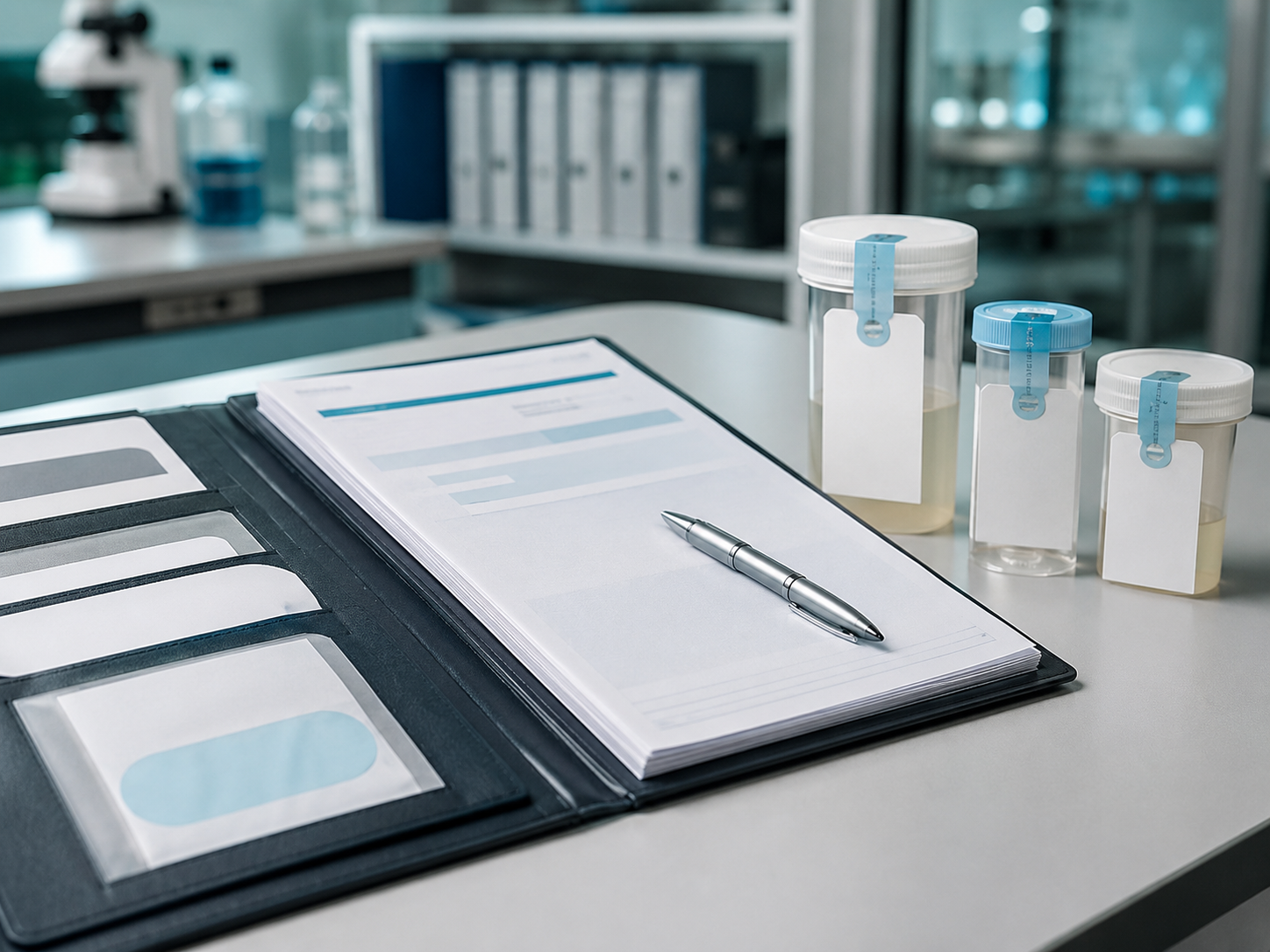
The rule also reaches the sampling. Before analysis, the laboratory must have the sampler's documented qualifications, a written sampling plan, and a collection report. If any of them is missing, FDA may consider the analysis invalid. We coordinate LAAF-ready samplers so those records are complete before the sample reaches the bench.
Food tests outside those groups, such as pesticide or drug residues, do not require LAAF yet, and cosmetics, drugs, and devices are outside it entirely. For those, the right accreditation, such as ISO/IEC 17025, is confirmed during laboratory matching, and we still use LAAF-ready sampling records.